GIHE Highlights: Supersonic Festival 2026

Get In Her Ears happily returned to Digbeth in Birmingham and immersed ourselves in the idiosyncratic delights of Supersonic Festival again this year! We were thrilled to be invited back to experience this special Limited Edition event, after having such a great time when we first attended the festival in 2024.

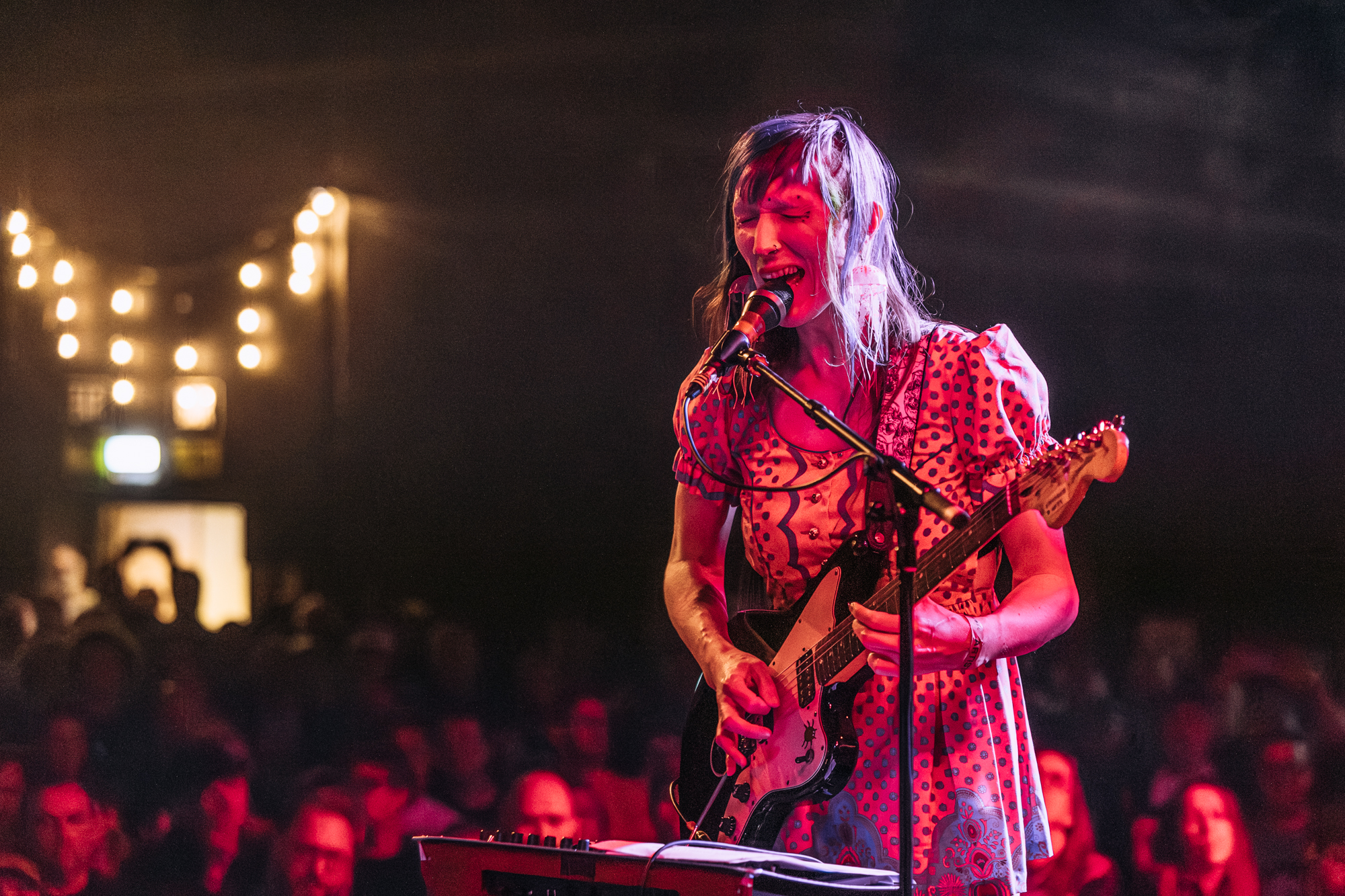
Despite being smaller in scale (spanning two days instead of the usual three), Supersonic 2026 still resolutely championed a plethora of experimental and genre-defying sounds from a multitude of new and established artists. It’s hardwired into the event’s DNA to provide festival-goers with the opportunity to experience an eclectic array of performances, which were delivered by OXN, Prostitute, MilkweedThorn Wych, Bong II, Lucifer Sky, Traidora, Feeo, Guttersnipe, Greet, Peiriant, Hang Linton, Amretat, as well as special debut presentations from collectives MMM and Microplastics and a DJ set from GIHE faves, Decolonise Fest!

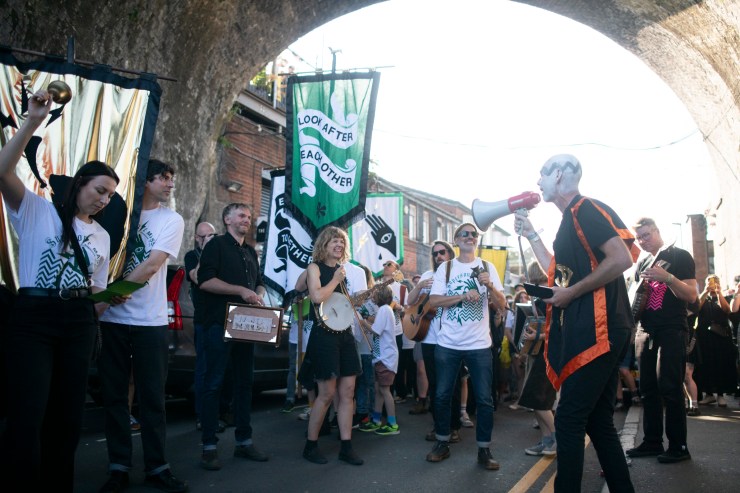
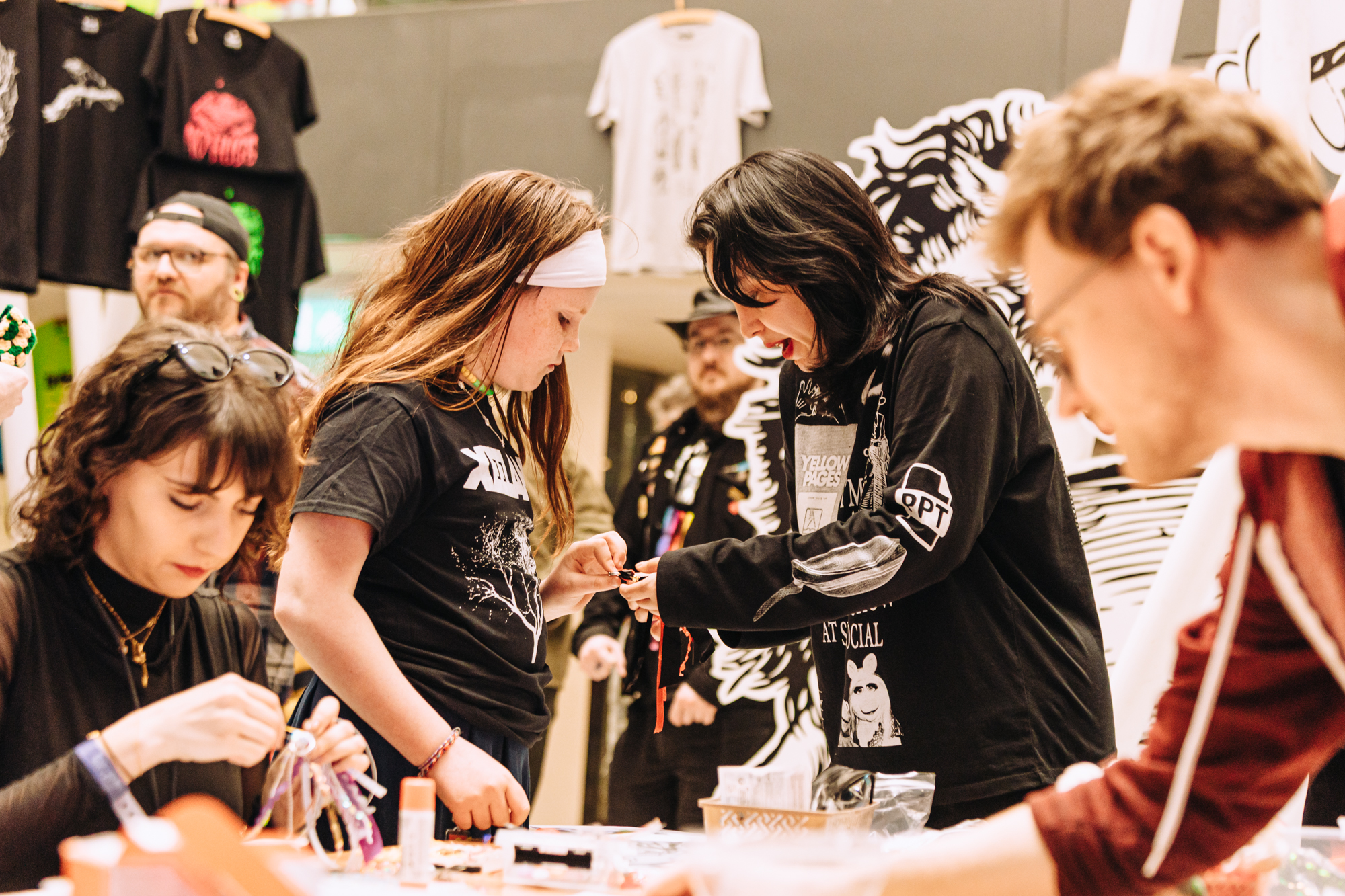
Alongside the musical programming, as usual, Supersonic offered a host of complimentary workshops and activities, which included keyring making with crafting collective Shelanu, a block-printing protest banner workshop with artist Natasha Taheem, a sound bath session, the return of the infamously difficult Freak Zone Quiz and an opportunity to join and perform with the pop-up Supersonic Choir. The festival also accommodated the curiosities of both attendees and the general public with it’s own unique Marketplace, which we took full advantage of this time around.

We could wax lyrical about the power of Supersonic all day long, but we’ve compressed our thoughts and feelings about the festival into six highlights, which you can read below


The Marketplace is a hub for like-minded creatives

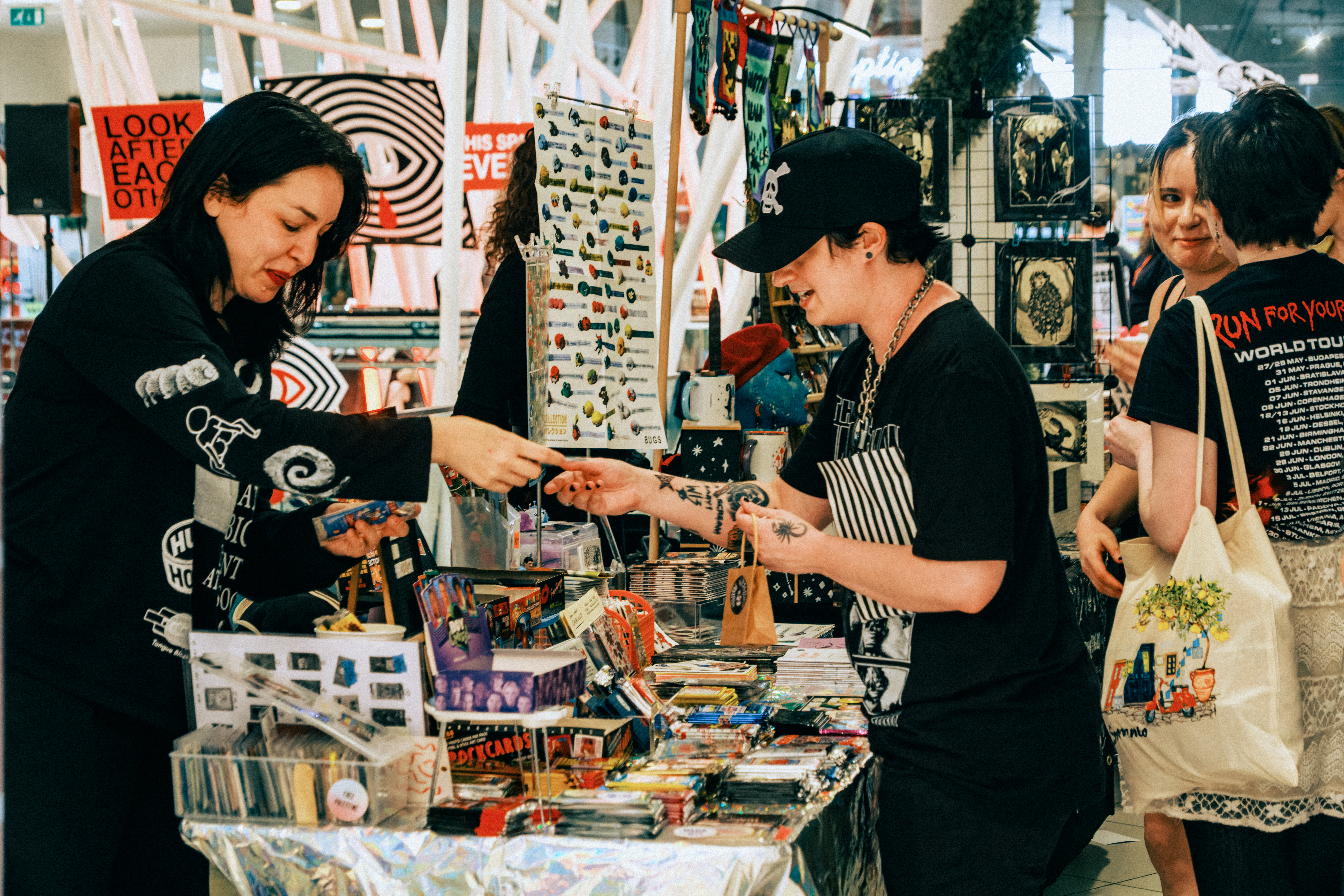
Whether you want to buy a pendant necklace with a real preserved spider-web from The Voodoo Doctor, spend time perusing multiple vinyl collections or indulge in some gothic-inspired cakes and sweet treats, the Supersonic Marketplace was the perfect place to get involved in artistic chats and endeavours. Hosted in the Zellig building, the space also included a special Supersonic flash session at resident tattoo shop House Of Thieves, which also sits next to the excellently named The Goth’s Playground, which was full of wonderfully unusual paraphernalia.

Within the Marketplace, we particularly enjoyed the wares on the Boulderdash stall. Described as purveyors of “stones, drones and noise”, Boulderdash are an independent zine and collective based in Cornwall. They were selling copies of their latest issue, cassette tapes and prints from musicians & artists they’ve worked with, plus, a unique limited edition Boulderdash guitar pedal. We exchanged stickers and stories and recommend that everyone checks them out!
(Photo Credit: Robert Barrett) 
(Photo Credit: Joe Singh)

Traidora are a force to be reckoned with

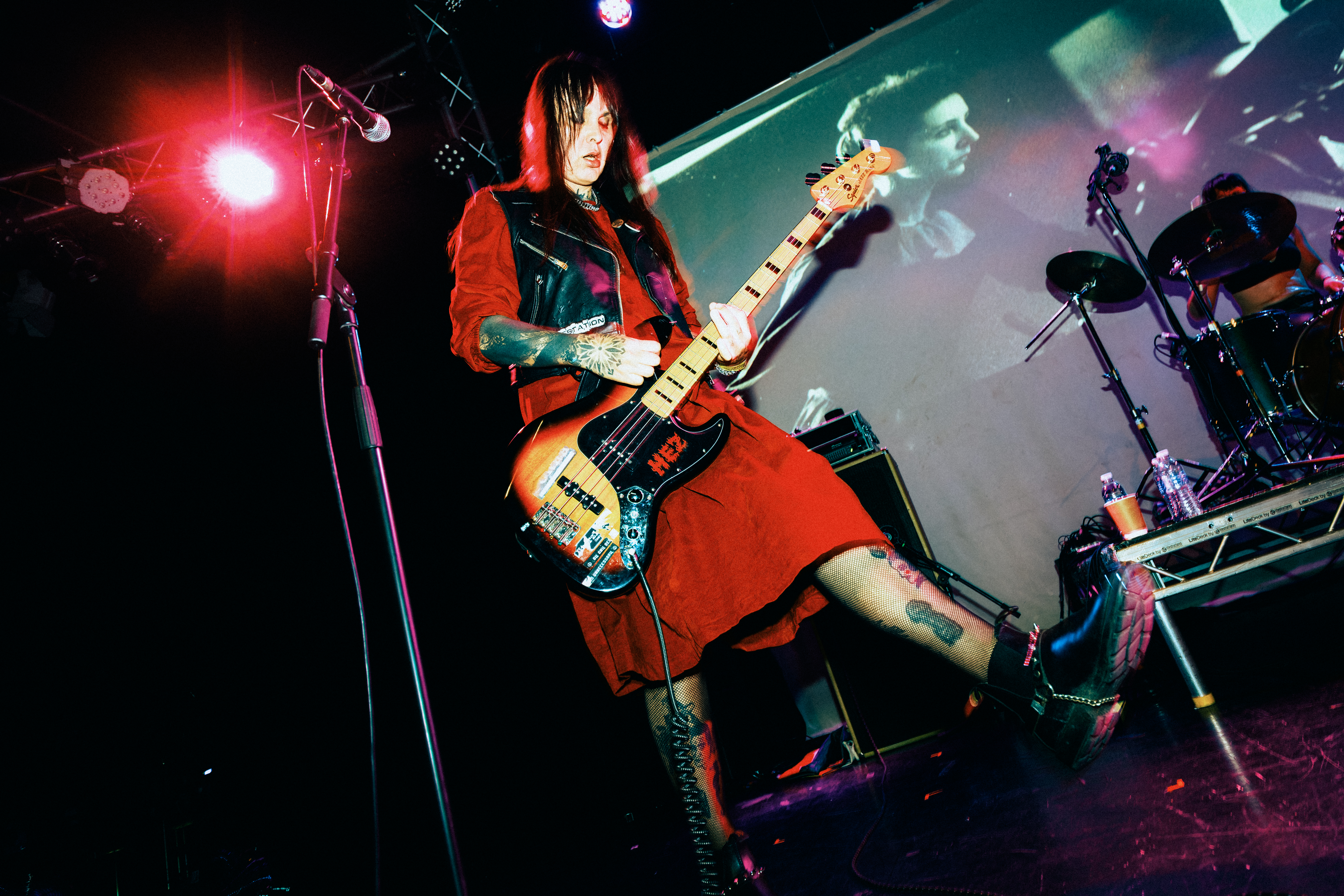
Joking that they were more accustomed to playing their punk anthems about “being gay” in sweaty pub basements, compared to being on Supersonic’s much larger stage, London-based trans anti-fascist band Traidora brought their riotous rhetoric to this year’s festival. The trio, fronted by Venezuelan-born artist Eva Leblanc and with the marvellous Maeve Westall on drums (itoldyouiwouldeatyou, YAKKIE, Gordian Stimm), Traidora ripped through a setlist that was loaded with righteous anger against ongoing genocide, transphobia and social inequality.

Performing in front of a backdrop of photographs of queer and female pioneers and activists – including LGBTQ trailblazer Marsha P Johnson – Traidora’s set felt like a hardcore homage to the queer and indigenous communities that they have been inspired by and are part of. Eva also took the time to thank everyone at Supersonic for their diligence and the care she and her bandmates had experienced on every level, which reminded her that “human kindness” is alive and well in the alternative music scene.
(Traidora – Photo Credit: Robert Barrett) 
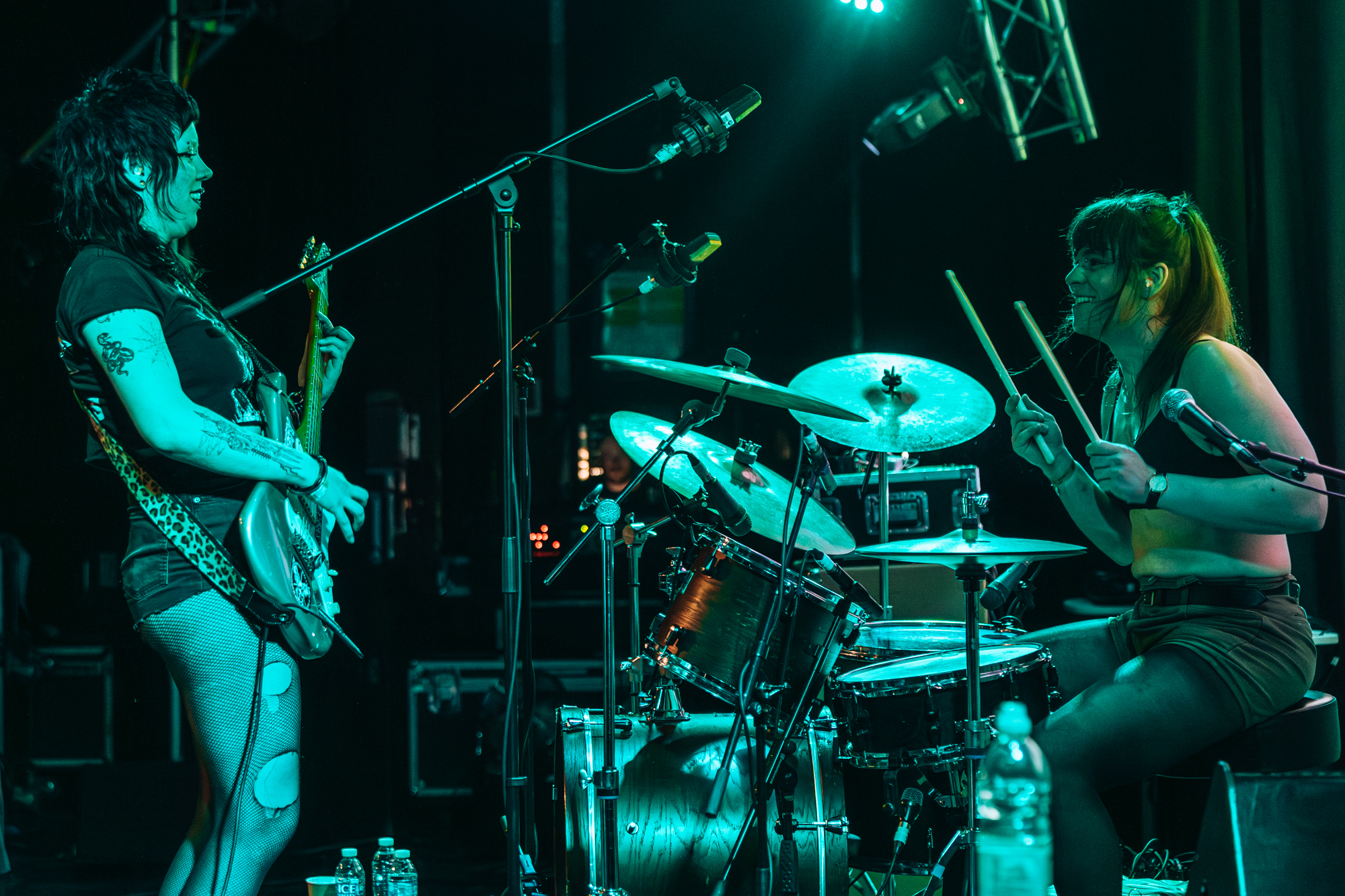
(Traidora – Photo Credit: Joe Singh)

MMM & Milkweed brought the ancient past firmly into the future

With a sound as immense as the stones that they were inspired by, collaborative audio-visual project MMM opened Supersonic with a transcendental performance. Together, multi-instrumentalists Gayle Brogan, Nick Jonah Davis and Elizabeth Still created a unique work with filmmaker Ian Nesbitt, based on their travels to the Isle Of Lewis in Scotland during the rare Lunar Standstill at the ancient Calanais Stones, which occurs every 18.6 years. They documented their response to this natural phenomenon through a cell-tingling mix of thunderous guitars, intense drones, heavy harmonium and intermittent high pitched screams paired with diaphanous vocals. Grounded in ritual, resonance and reverb, MMM pulled back the veil of the past and captivated their audience in the process.
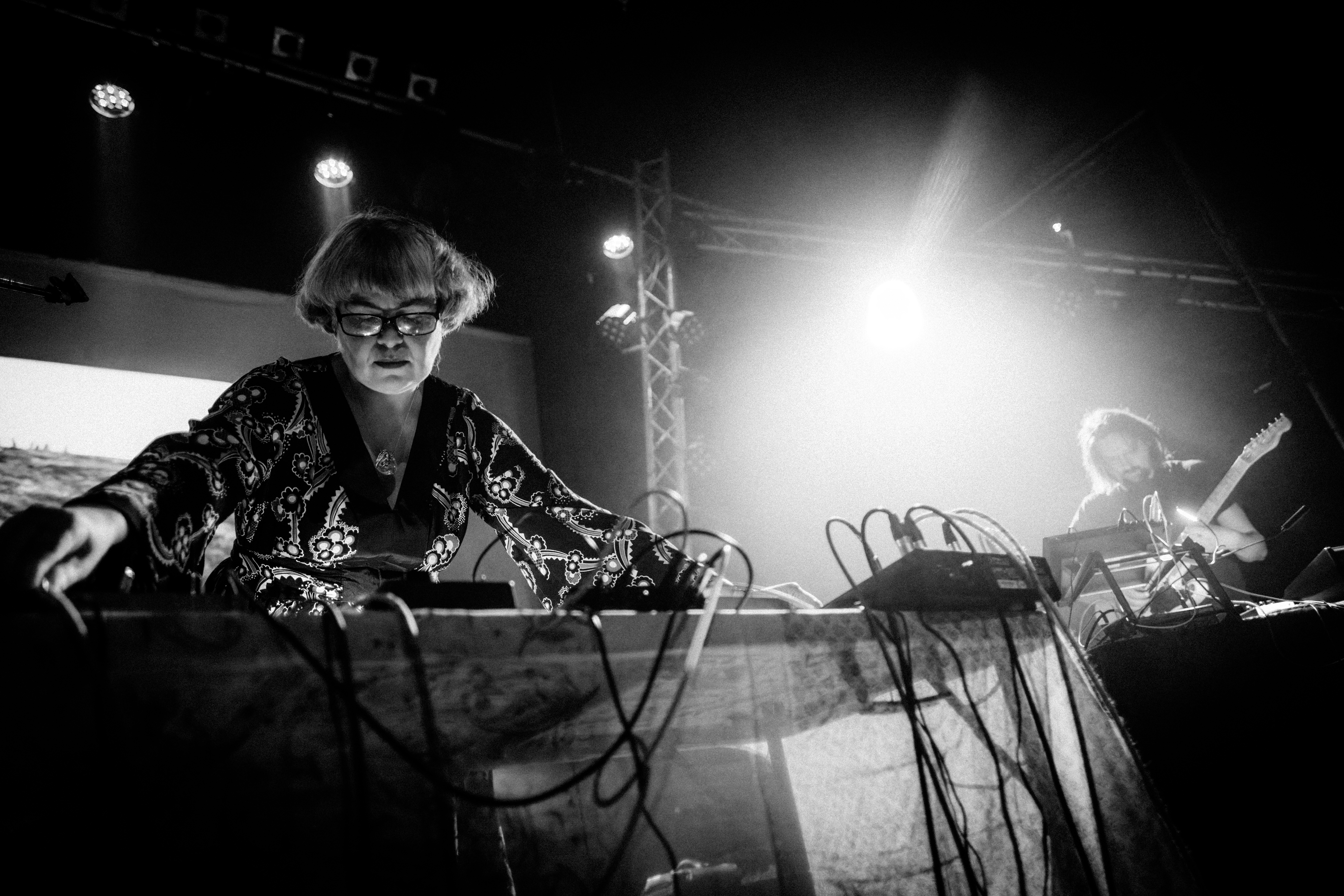
(MMM – Photo Credit: Robert Barrett) 
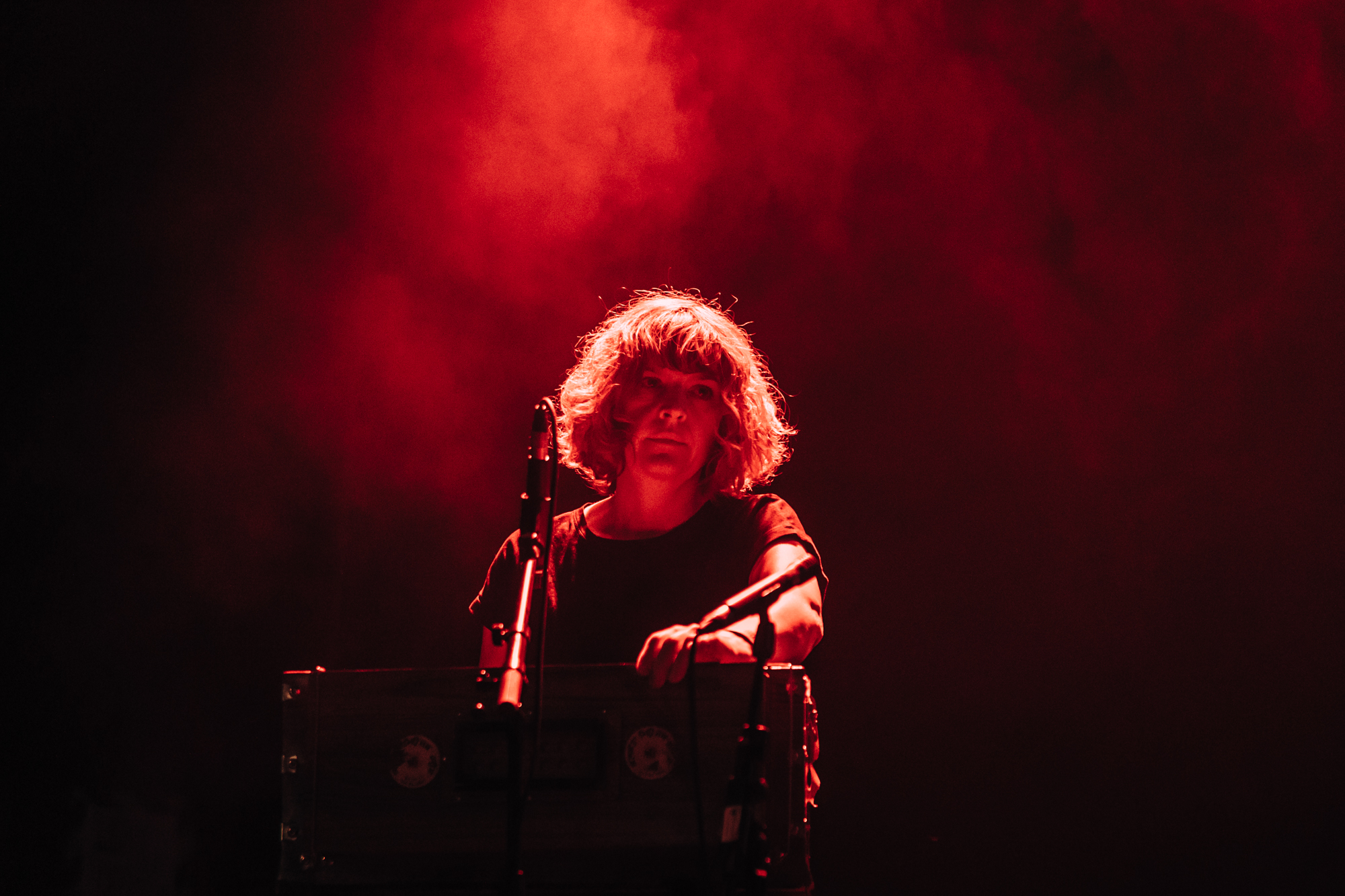
(MMM – Photo Credit: Joe Singh)

Milkweed also transported Supersonic fans to a bygone era with their acute, alluring storytelling. Reviving ancient folklore narratives and oral histories by weaving them into their experimental “slacker-trad” sounds, the four players sat opposite each other across a table littered with cassette players and wires; sonic vessels which enhanced the intensity of the songs lifted from their 2025 album, Remscéla. Inspired by The Táin saga, which is an aged collection of epic Irish “pre-tales” translated by Thomas Kinsella, the record dives deep into the lore of multiple legendary characters, which Milkweed brought vividly to life throughout their theatrical set. Working together in perfect harmony, they mixed string instrumentation with spoken word, stunningly clear vocals and brittle tape distortion to resurrect the past. It was a performance of mythical proportions, which clearly resonated with the resolutely attentive crowd.
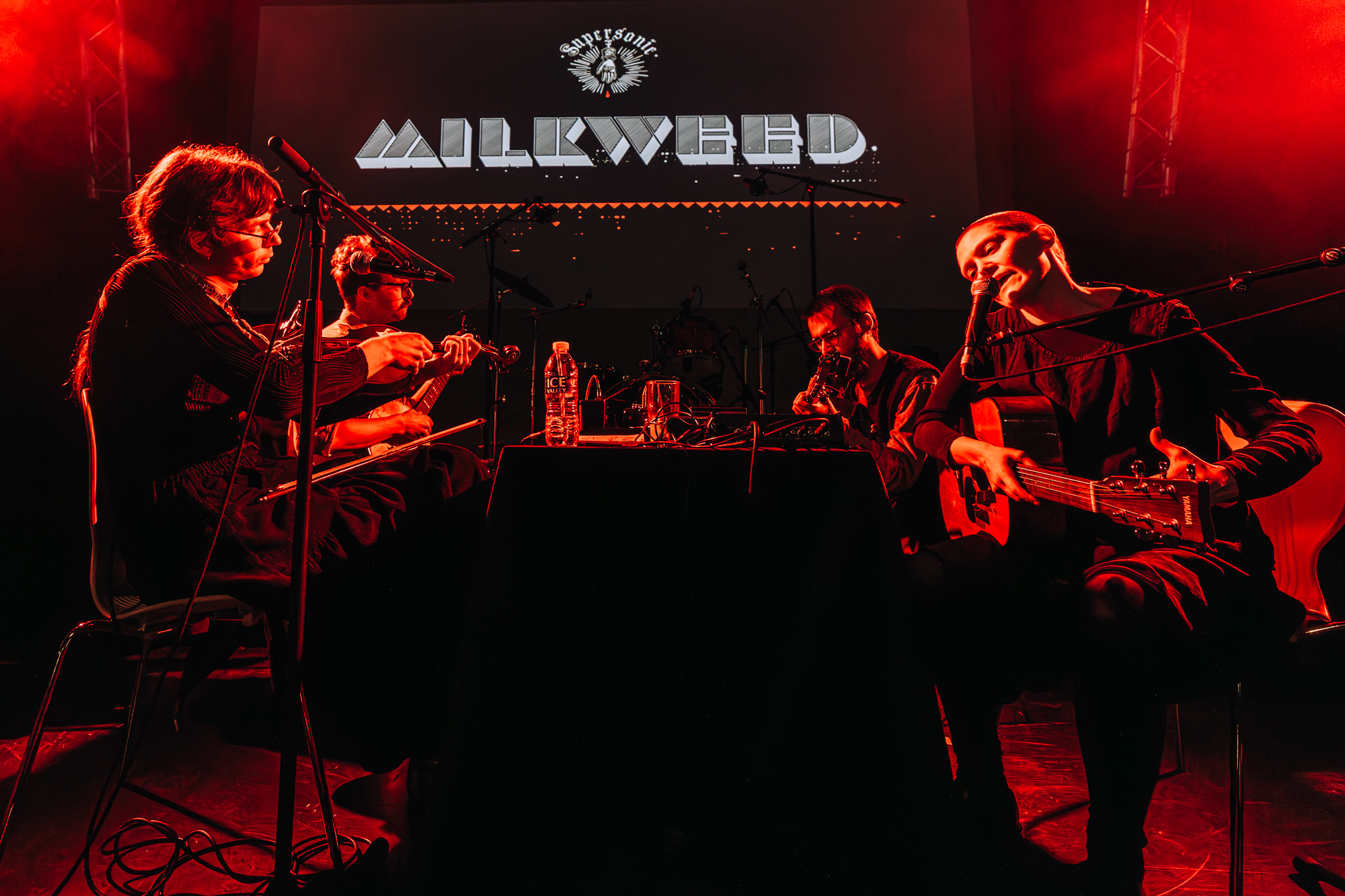
(Milkweed – Photo Credit: Joe Singh)
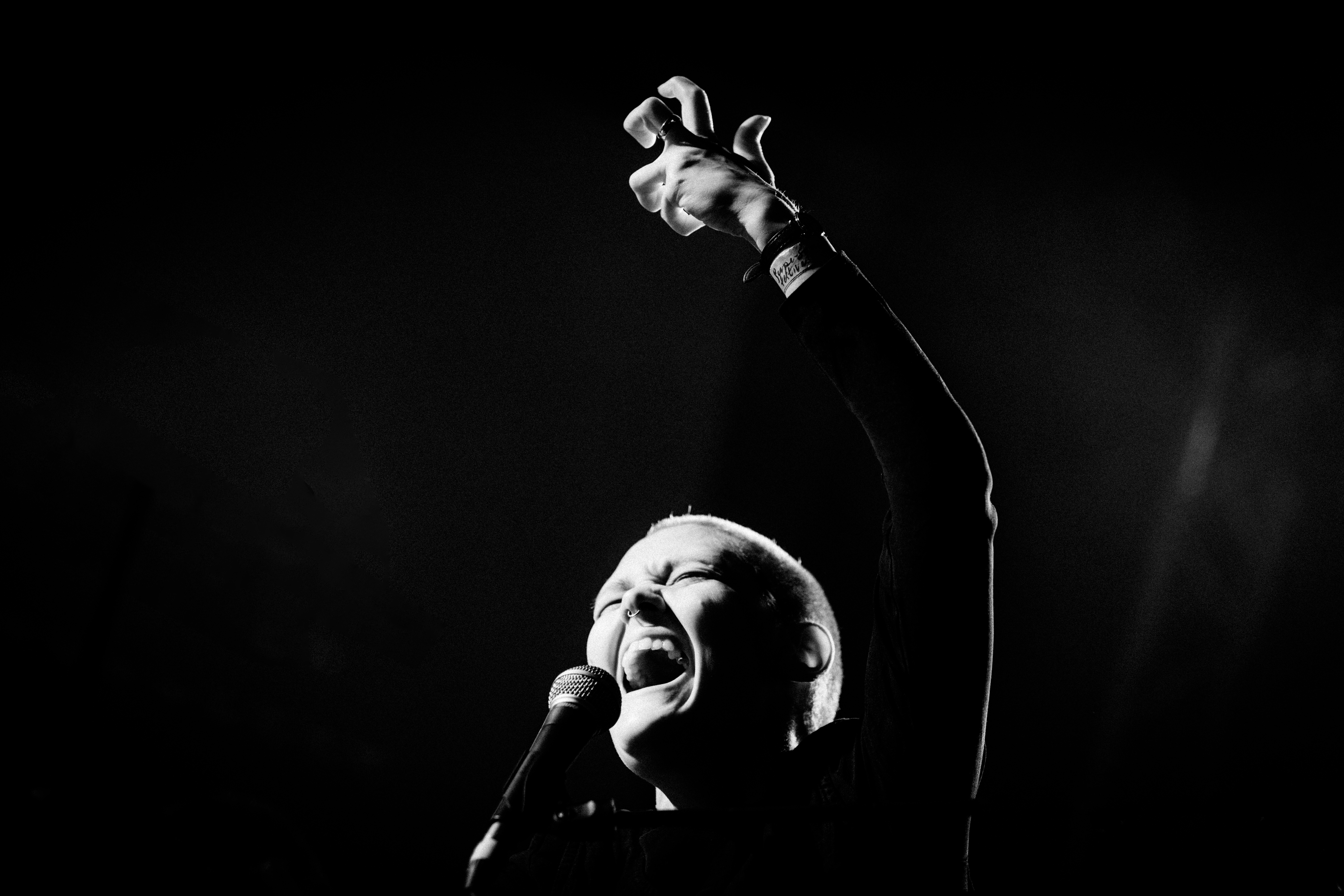
(Milkweed – Photo Credit: Robert Barrett) 

The Supersonic samosas are legendary (as is the Tea Bar)

Whilst the music line-up for Supersonic Festival is always impressive, the line-up of snacks and drinks at the resident Tea Bar is just as noteworthy. In between pints of Supersonic IPA supplied by Attic Brewery, we indulged in some sustaining cups of tea and finally sampled a Supersonic staple which totally lived up to the hype: the iconic samosas! We were also tempted by the muffins which were as big as our heads and the delightful addition of Bloody Marys on the second day of the festival. Hats off to all the chefs who created these divine treats, they really were a highlight of the weekend.
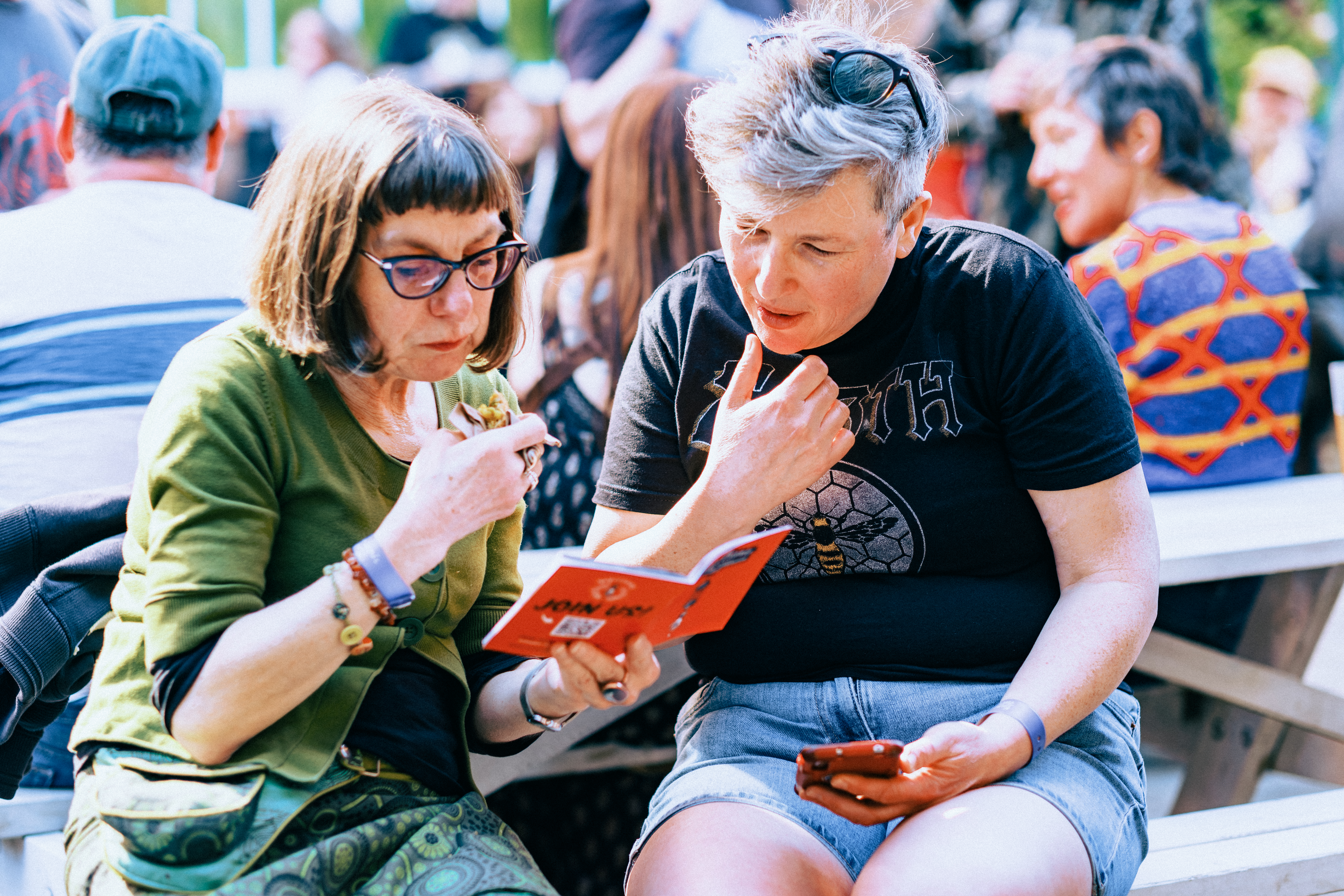
(Photo Credit: Robert Barrett)

Thorn Wych’s set was a fascinating, noisy spectacle 

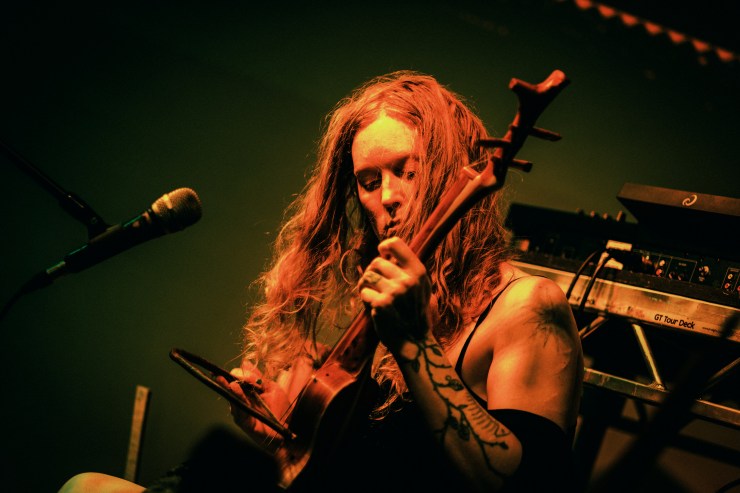
With a name that perfectly encapsulates her sound, Lancashire-based musician Thorn Wych performed a truly strange and striking set with her bespoke handmade instruments and pedal board on the first day of Supersonic. Despite experiencing a few sound difficulties, she embraced the chaos and stayed rooted to her cause; sat on the stage with her long hair obscuring her face, switching between an assortment of string instruments, drums and flutes whilst singing in tongues and channelling distortion by twisting the nodules on her pedals with her bare toes. Her performance was primal and instinctive and evoked a powerful sense of pagan folklore ritual. We’ll be thinking about it for many weeks to come.
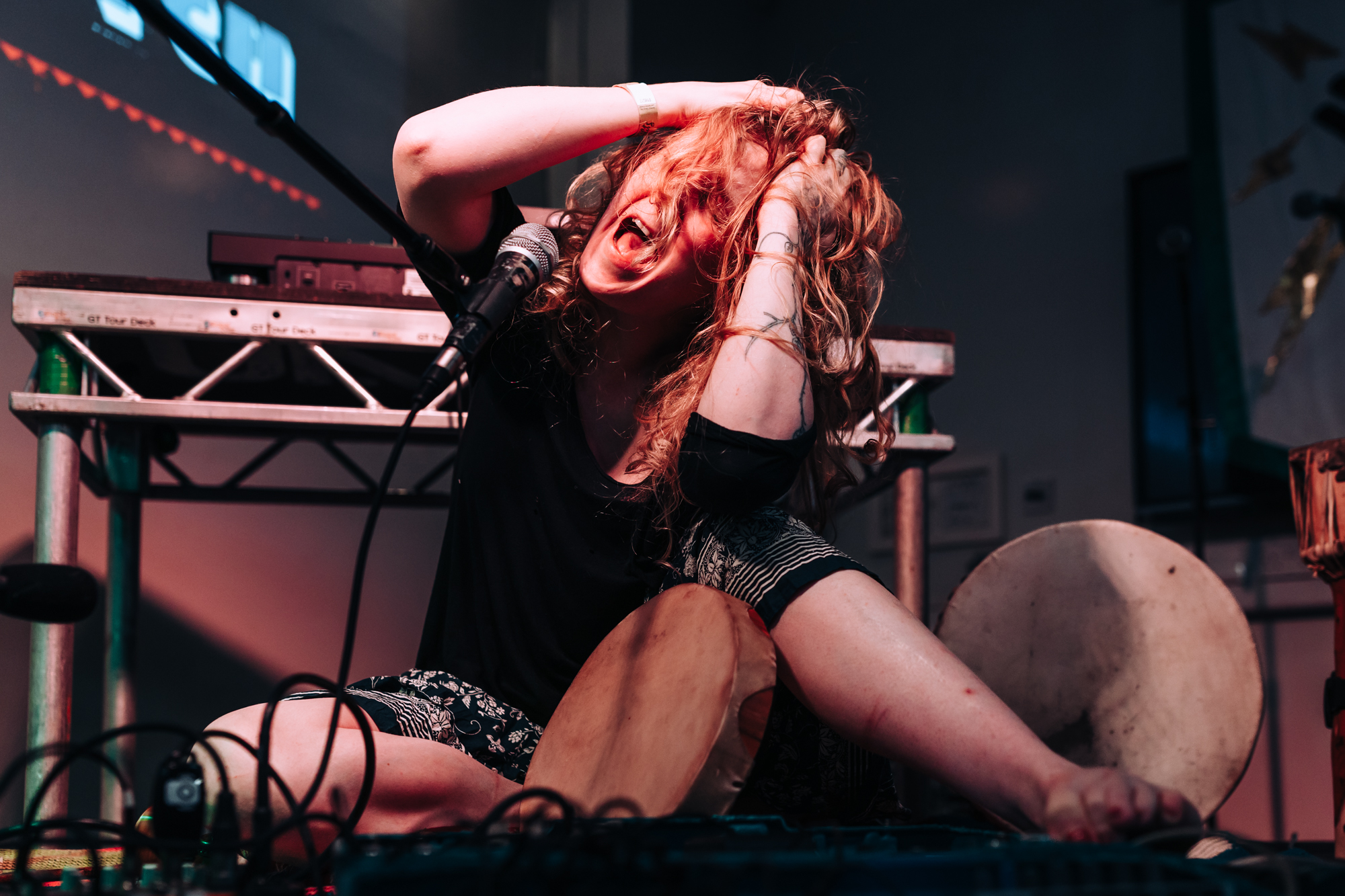
(Thorn Wych – Photo Credit: Joe Singh)
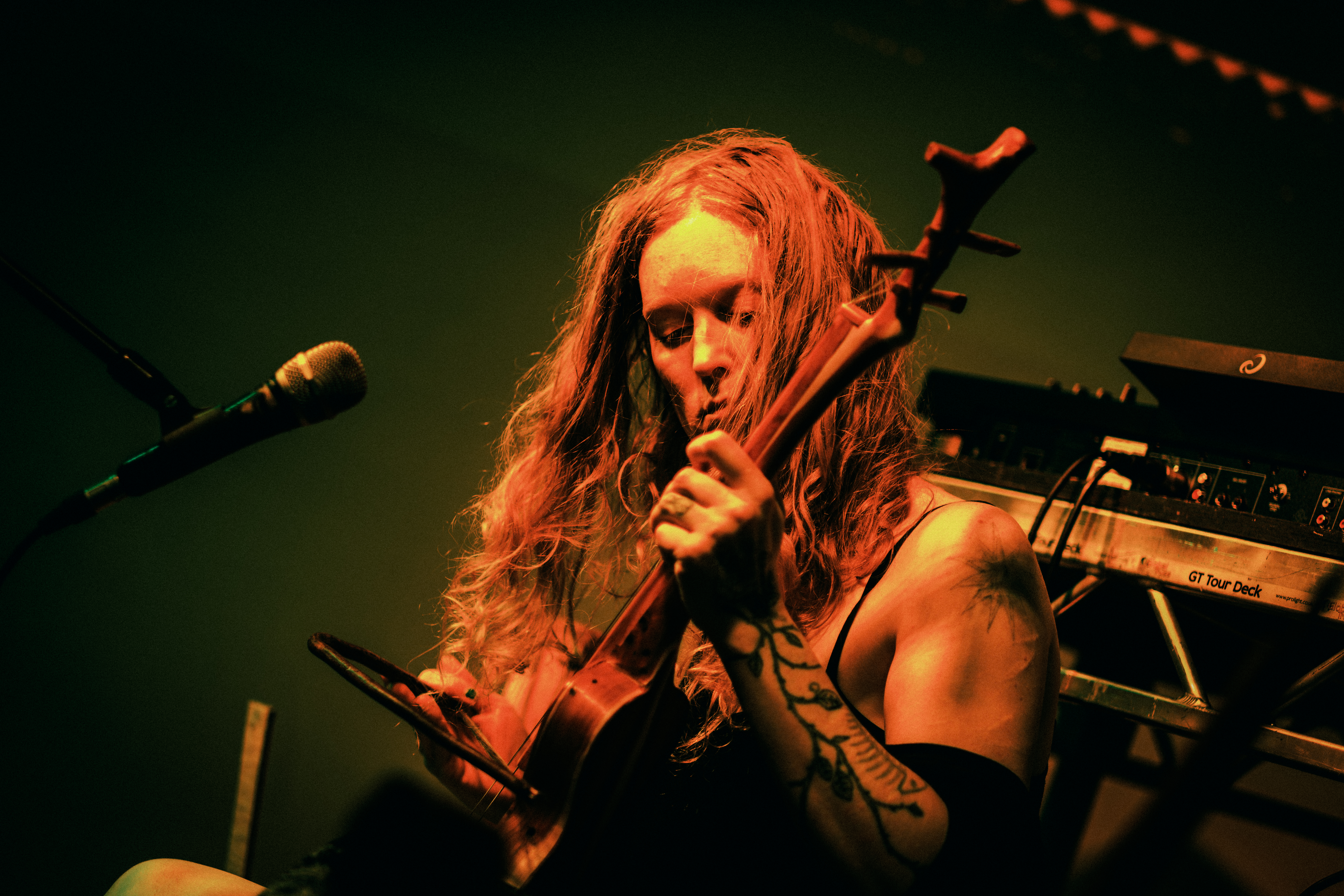
(Thorn Wych – Photo Credit: Robert Barrett)

On all levels, Supersonic truly commits to the craft…

Whatever that craft may be, one thing is for sure: artists at Supersonic commit themselves 100% to their performances. We strongly believe that even if they were alone in an empty room, they would still be performing with the same tenacity. From the absolutely unhinged riffs and manic beats of mutant-noise-rock duo Guttersnipe, through to the beautiful understated soundscapes of experimental artist Feeo, we witnessed an abundance of wonderful and endearingly weird forms of self-expression across the weekend.

We mentioned this in our 2024 review, so at the risk of sounding like a broken record, we just want to reiterate how much we appreciate the effort, care and dedication that goes into planning a unique event like Supersonic, right down to the amazing festival-inspired nail art that one of the bar staff had! Get In Her Ears are a small DIY community based in London and we value connection and resistance through music, coming together to experience these things in a room with other like-minded people; something that Supersonic achieves on a scale that is deeply inspiring to us. We can’t wait to return to the festival again next year to have our minds blown by another immense array of experimental music (and to eat more samosas…)
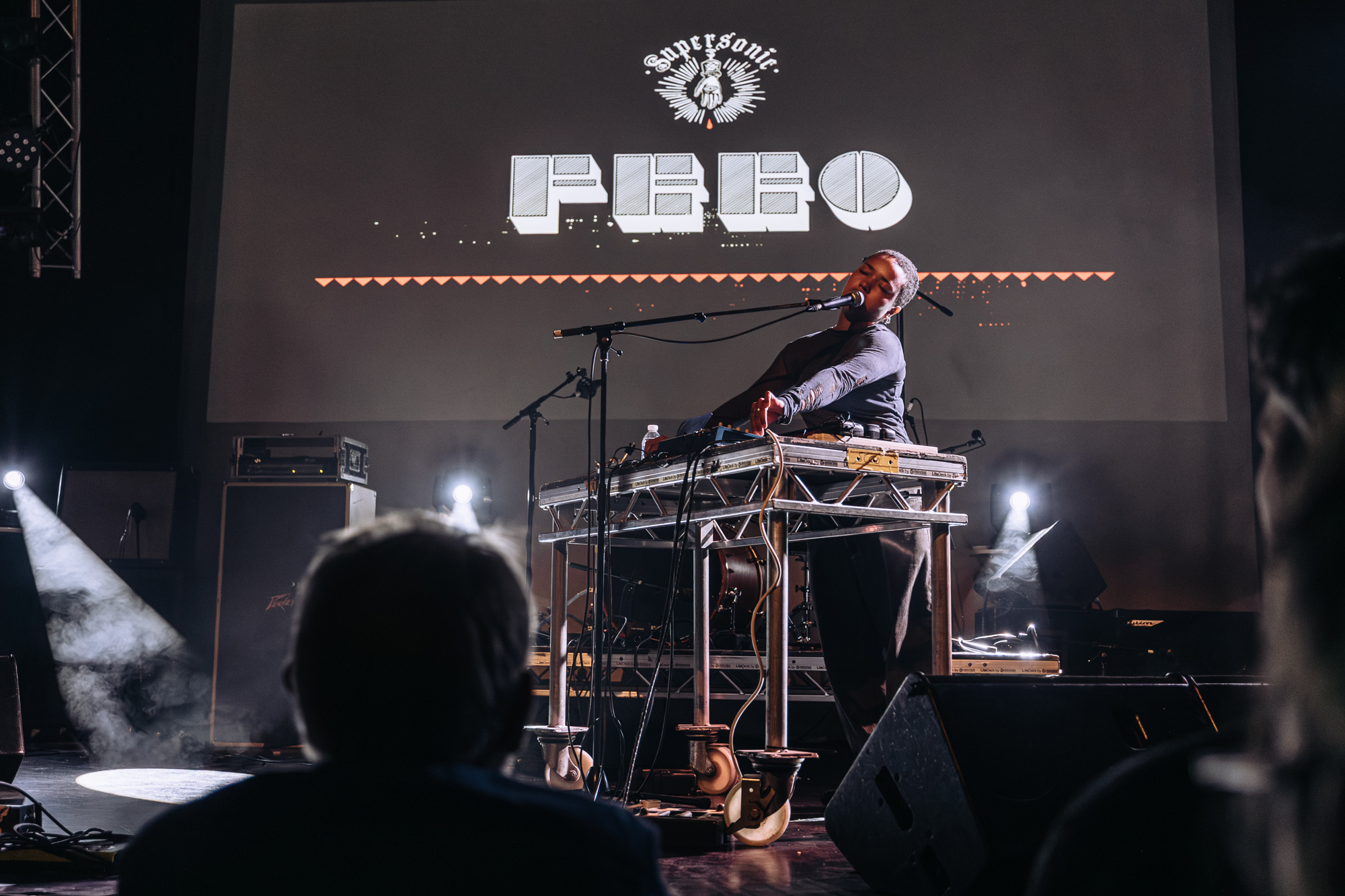
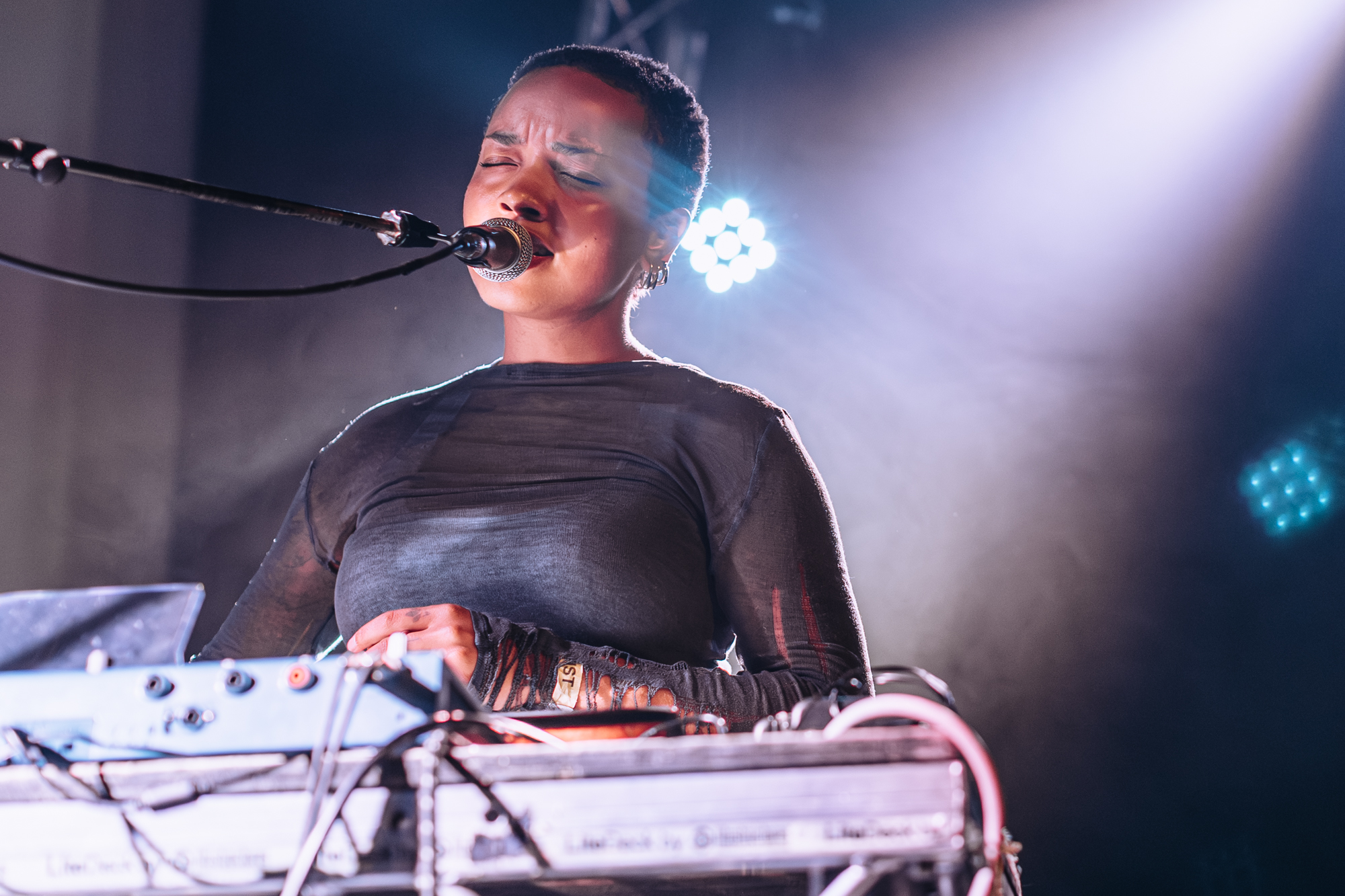
(Feeo – Photo Credit: Joe Singh)
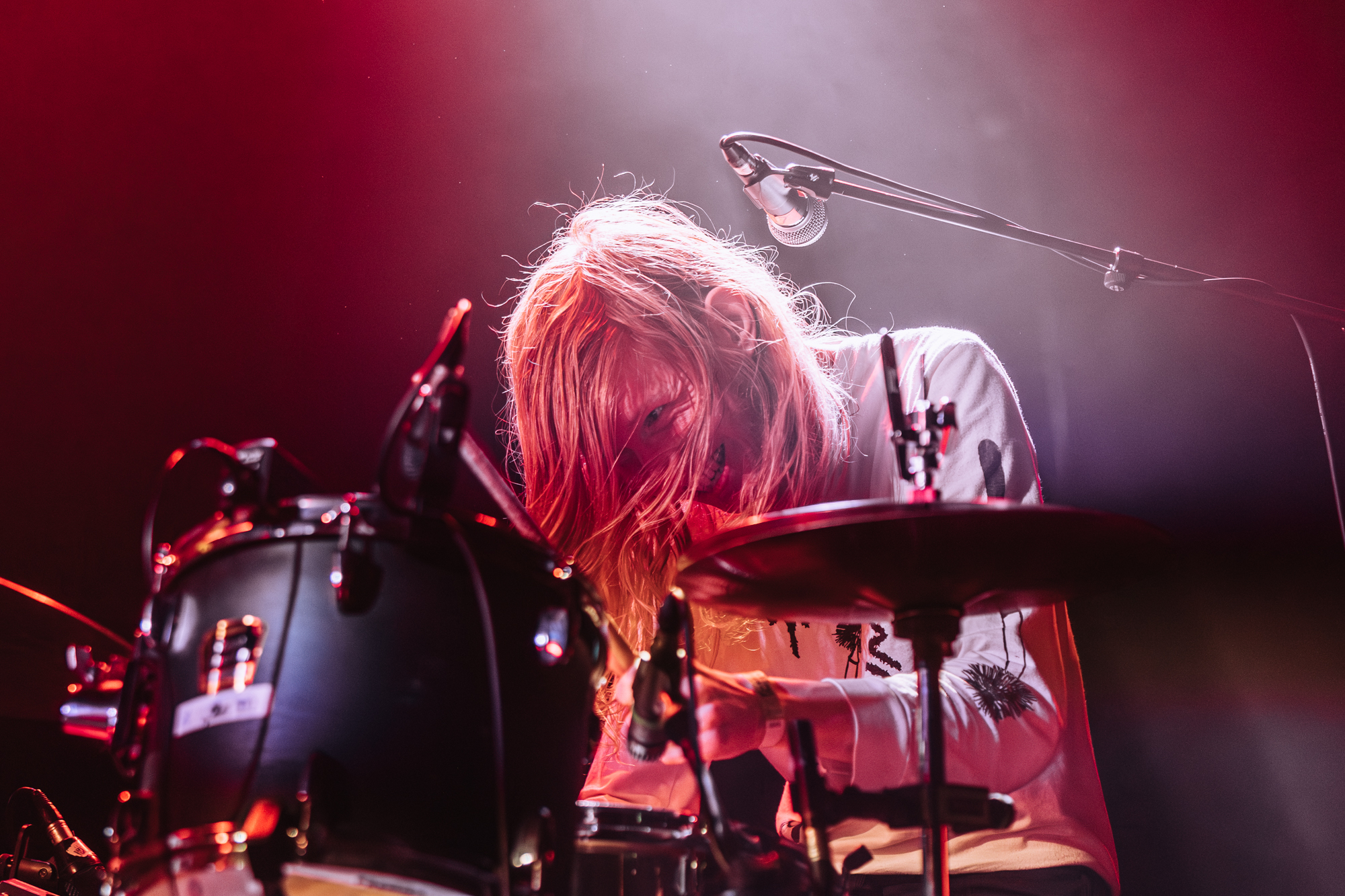
(Guttersnipe – Photo Credit: Joe Singh)
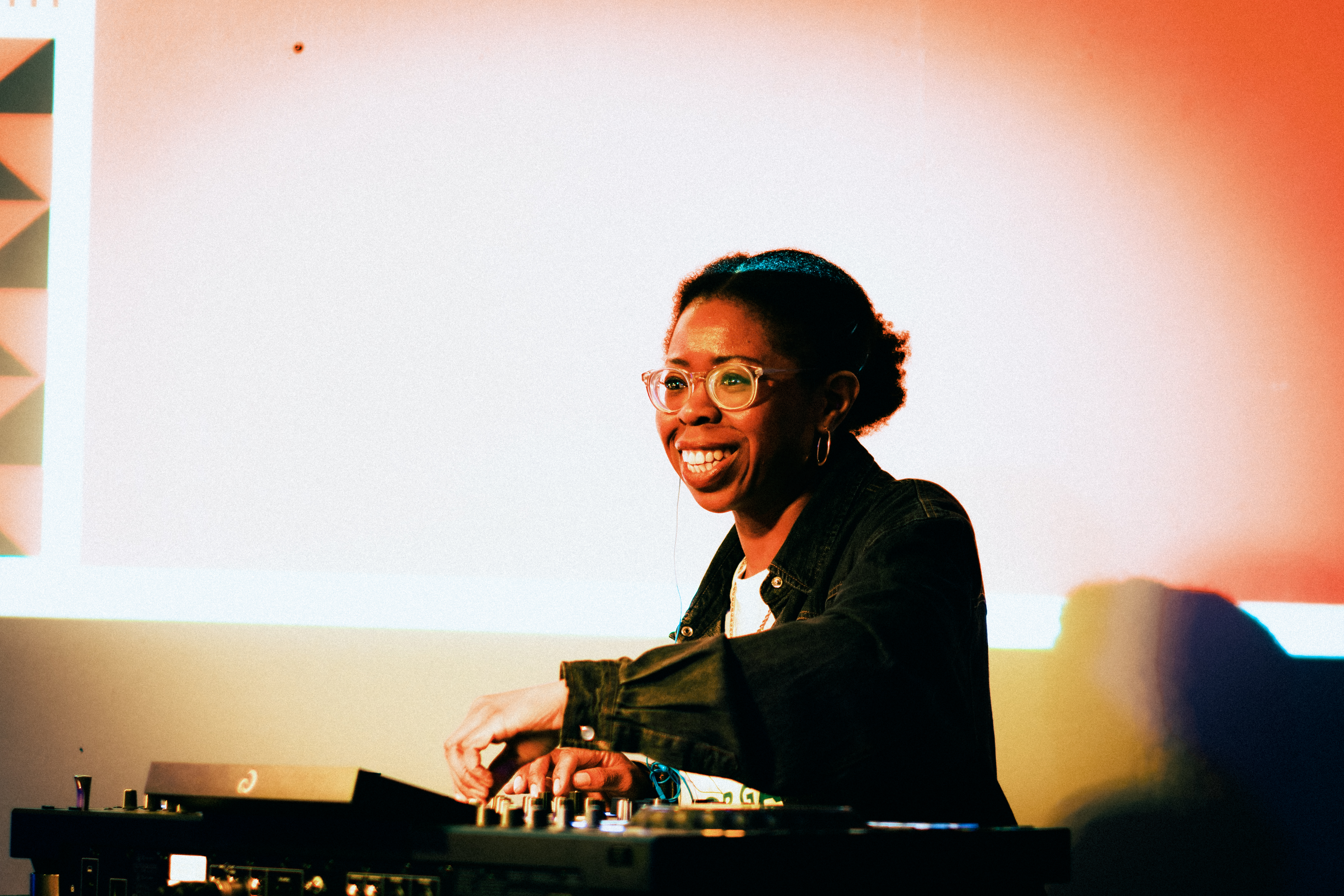
(Decolonise DJ set – Photo Credit: Robert Barrett)
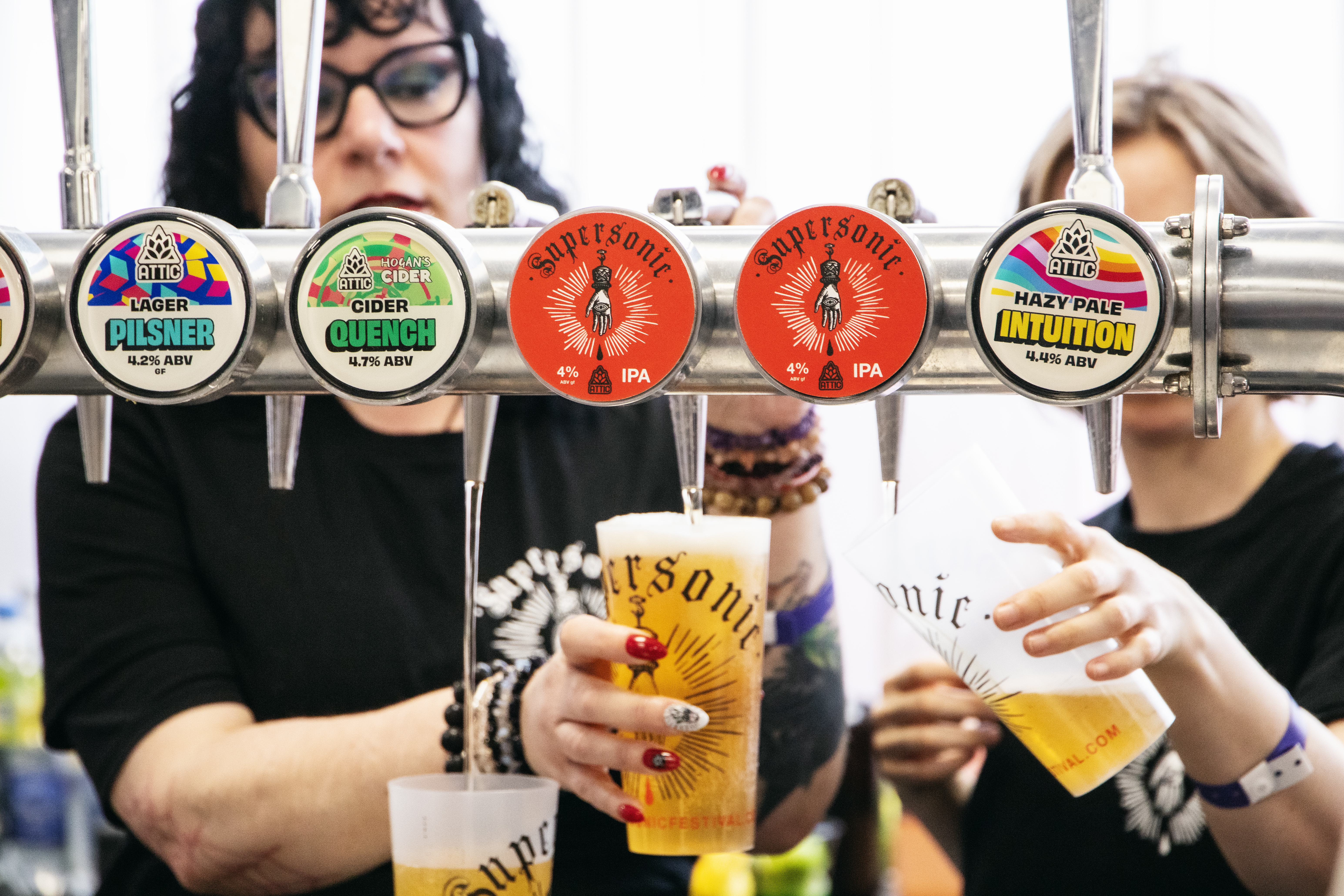
(Supersonic IPA & nail art! Photo Credit: Sam Frank Wood)


Follow Supersonic Festival via Instagram & their official website

Words: Kate Crudgington
FIVE FAVOURITES: Leah Levinson (Agriculture)

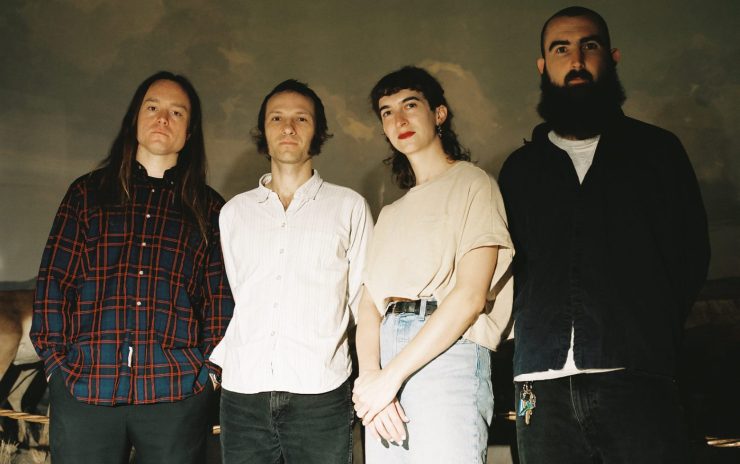
Bassist and vocalist Leah Levinson from Los Angeles black-metal noise merchants Agriculture is a potent voice in the heavy music scene. Sharing songwriting and vocal duties with guitarist Dan Meyer, Leah’s guttural screams permeate the band’s diverse, doom-laden sounds; now coined as “ecstatic black metal”. It’s not just the physical volume and sheer power of her voice that has garnered Agriculture such a loyal following though. On the band’s most recent album, The Spiritual Sound, Leah’s raw lyricism tackles transphobia, queerphobia and misogyny; highlighting how vital her voice as a trans woman truly is.

Released via The Flenser in October this year, The Spiritual Sound is a culmination of both Leah and Dan’s dismantling of the human experience, in both its most simplistic and most complex forms. Take the deeper, more personal cut ‘The Weight’ for example, on which Leah explores both the triumphs and the traumas of queer life.

“‘The Weight’ was written reflecting on a particular month last year when so much seemed heightened,” Leah explains. “It seemed like many of my friends were being harassed in public – both verbally and physically – for being trans, for being queer and/or for being women (it’s not always clear which). This was also a time when I was feeling a lot of love and a lot of community. I wanted this song and the songs around it to honestly reflect both these elements. I wanted to write about transness, but didn’t want to rely on political aphorisms and indulgent images of suffering. I wanted to paint a holistic portrait of queer life.”

We think one of the best ways to get to know an artist is by asking what music inspired them to write in the first place. We caught up with Leah to ask about her “Five Favourites” and she picked five albums by an eclectic range of artists who have inspired her songwriting techniques. Check out her choices below and scroll down to watch the official lyric video for Agriculture’s single ‘The Weight’ too…


1. Lou Reed – Transformer
I don’t shut up about this album. I discovered it when I was about thirteen and have regularly rediscovered it throughout my life since. The songs here are odd, lopsided, messy, and sometimes overly simple. I think they reflect Lou finding himself as a solo artist and coming to understand (alongside the society and culture around him) many aspects of himself, from gender and sexuality to drug use and spirituality. It’s an album about being in the world that sounds like it comes from the pitch black of nowhere. The production and arrangements by David Bowie and Mick Ronson hardly nod to rock music; letting chamber, jazz, and symphonic instrumentation flirt alongside Lou’s gravelly voice while more traditional rock instruments are mainly used in less conventional ways. I sometimes think of these songs as nursery rhymes and lullabies for addicts and queers, and, in that way, so many lyrics from this album exist in my mind as riddles, koans, and mantras that I’m sure I’ll never solve. This album has shaped my life and output as an artist in immeasurable ways.

2. Laurel Halo – Quarantine
This album came out when I was at the formative age of eighteen and hasn’t left me in the decade-plus since. I think it has one of the greatest covers of all time and somehow manages to live up to it. As a collection of deconstructed ambient pop songs, I find this album difficult to ever really grasp. At the same time, that ungraspable, atmospheric quality feels at odds with its earworms and its moment-to-moment intrigue. It’s a beautiful instance of an album that feels like an entire world, perfectly paced and thoroughly explored. Any time I hear it I feel I am home without ever really knowing (or having to know) what it’s about in the first place.

3. The Velvet Underground – The Velvet Underground & Nico
I have a hard time choosing a favourite between The Velvet Underground’s first three albums, so I’m going with this one because it was my introduction to them and in many ways, it feels like it’s got it all in one. The repetitive, minimal song structures on this album influenced me at a pretty young age; an early lesson that less can be more. Moe Tucker’s drumming is an important contributing factor for that, and I think deserves greater acknowledgement as a major innovation in rock, pop, and underground music. Beyond that, the arrangements on this album showed me both how little you need to make something work, and how much noise and complexity a listener can tolerate when there’s a strong song at the center of it. I’ve also always loved that the album has multiple voices on it, with Lou Reed and Nico alternating leads. That’s something Agriculture has and something I try to do in some way on most albums I make. I think it makes an album more vibrant and less lonely and monolithic. This album laid the format for so much music I love that comes after it, from the Ramones to My Bloody Valentine to Godflesh and others. It’s the foundation.

4. Entombed – Left Hand Path
This is my obligatory metal choice for this list. It’s unlike any other metal album I’ve ever heard, but in such a subtle way. Entombed formed in 1987 from members of Nihilist and helped establish the early Swedish death metal scene. This album is sort of the ultimate demo of the drop tuning and “Swedish chainsaw” sound of the maxed out HM-2 pedal that together came to define the Swedish death metal sound. To me, that sound is heavy in a warm way. Feelings of both dread and comfort coexist on this album, like there’s this push and pull around a fear of death and a complete acceptance of mortality and fate. I think this is emphasized by the material on the album which feels much more serious and mature than the slasher, sword and sorcery, vampire, and simplistic satanist imagery that permeated metal at that time. This is one of the few metal albums that feels like it’s about death in a real way. That its guitar solos, demon growls, and headbanger riffs don’t detract from that, but rather add to it, makes it all the more special.

5. Albert Ayler – Love Cry
The Albert Ayler Trio’s Spiritual Unity was one of the first and furthest out pieces of experimental/avant garde music I was introduced to. The song ‘Ghosts’ was kind of an anthem for Ayler – there’s two versions on that album alone and he continued to revisit throughout his career – and it’s the song that drew me to Ayler for years and years to come, while I puzzled over the cacophony that surrounded it. Ayler’s project is one centered around collective improvisation and the asynchronous comingling of spirits through music. What makes ‘Ghosts’ so great is its tuneful, almost naïve melody that is defiantly bright and strong. It provides coloration and structure to the unbound playing that delivers it while giving a strong footing for its improvisers to take off from. That song is revisited early on Love Cry, an album that adapts Ayler’s early vision and imagines a way forward with it. Love Cry has some of the most innovative arrangements in jazz for its time in a way that still sounds fresh today. Beyond that, it expands on the compositional conceit of ‘Ghosts’ in its many songs without ever repeating itself. It’s an album that shows Ayler searching spiritually in every direction and finding answers only transmissible through music.

Thanks to Leah for sharing her favourites with us!
Watch the lyric video for Agriculture’s single ‘The Weight’ below.

Follow Agriculture via bandcamp, bluesky, Facebook & Instagram
Check out Agriculture’s official website too

Photo Credit: Olivia Crumm

INTERVIEW: Lisa Meyer (Supersonic Festival)

(Photo: Lisa Meyer)

Championing alternative music and celebrating experimental art-forms is the lifeblood of Birmingham’s Supersonic Festival. Founded in 2003, the multi-venue event has become renowned for showcasing a unique array of musical and artistic talent from heavy and alternative genres. Get In Her Ears were lucky enough to attend the festival for the first time in 2024, where we saw Gazelle Twin, THE NONE, Emma Ruth Rundle, Tristwch Y Fenywod and many more (read our highlights feature here.)

The line-up for this year’s edition of Supersonic – which runs from 29th-31st of August – is equally as impressive. GIHE favourite Penelope Trappes brings her stunning album A Requiem to the festival for the first time. Aussie instrumental-doom project Divide and Dissolve will return to pulverize eardrums with their gargantuan-yet-graceful noises and inimitable Zambian-Canadian rapper BACKXWASH will also return to share her corrosive beats and scathing lyrics with festival goers.

“I think of heaviness not necessarily as an amplification, but as music that is reflective of our world that we’re living in, and we’re living in really heavy times,” shares Artistic Director Lisa Meyer, deftly articulating why Supersonic Festival resonates so strongly with its loyal attendees. She is the creative force leading the dedicated team who have been curating this eclectic event for over twenty years. As the CEO of Capsule and the founder of the Home Of Metal project too, Lisa has dedicated her life to following and championing alternative culture.

“I think because we’re in Birmingham; the DNA of Birmingham is Black Sabbath, Godflesh and Napalm Death, but [Supersonic] is not, as I would call it, a ‘dude fest’ or a straight-forward metal fest,” she explains. “It’s about exploring heaviness across genres. There is a darkness to a lot of folk or electronic music and sometimes the most gentle, beautiful music has a sadness and a heaviness [to it],” she continues, citing Irish experimental doom-folk band ØXN as a great example. “There are heavy drones within their music, but Radie Peat’s voice cuts through you in a way that I think is as full-on as a metal band. It’s more about the feeling that [the music] creates within you.”

This emotional connection is something we were struck by at our first experience of Supersonic in 2024. It made us want to dig deeper and find out what goes on behind the scenes in order to bring this eclectic community-based festival to life. When we speak to Lisa over Zoom, it’s just three weeks until the next edition of Supersonic. Despite mentioning several setbacks throughout our conversation (which we’ll get into in more detail later), Lisa’s aura is equally as calm as it is enthusiastic. She clearly relishes talking about artists, past and present, who have shaped her personal tastes and who ultimately lead her to start Supersonic.

Originally from London where she felt “spoiled” in terms of her exposure to alternative music and culture, Lisa moved to Birmingham in 1994 to gain independence and to study a fine art degree. As a young teen, she says she frequented the weekly Feet First indie club night at the Camden Palace (now KOKO), which she considers to be her “grounding” for getting into music. “Looking back on it, it was probably dodgy as hell,” she smiles, “but I was 14 and me and my friend Lisa – we were called ‘The Two Lisas’ – got to see so many live indie bands; from Doctor and The Medics through to Lawn Mower Death and Meat Beat Manifesto.”

Lisa also recalls her parents playing Black Sabbath and Jethro Toll on the stereo on car journeys as a child, hearing the Songs of Leonard Cohen and The Velvet Underground around the house, and obsessively playing the 7” vinyl of Kate Bush’s iconic ‘80s hit ‘Babooshka’ from her Dad’s record collection. She also cites the Pixies, The Cure and Sisters of Mercy as big influences during her teens. This exposure to so many varied and contrasting musical genres seems to have been the catalyst for everything that she did next.

When she moved to the midlands, she remembers being “shocked” at the lack of cultural spaces in Birmingham compared to London, where she had constant access to gigs and art exhibitions. “But when there isn’t anything there, you [can] create from nothing,” she adds wisely. “It’s the perfect environment to create something yourself.” She began frequenting DIY punk all-dayers in places like Bradford, Leeds and Nottingham, before she started hosting gigs herself in the basement of the student house that she shared with 11 other people. “It sounds glamorous, but it was a very rundown house, and because of that, it gave us absolute freedom,” she comments. She quickly gained a solid reputation in the DIY scene for being a great promoter; always paying bands fairly and making sure they were fed and looked after, something she states was a rarity on the local scene at the time.

From these early experiences, Lisa gained the essential knowledge which led her to start up her own official arts organisation. In 1999, alongside friend Jenny Moore, she co-founded Capsule, a platform dedicated to producing events and exhibitions for curious audiences in Birmingham. As well as championing new and exciting alternative art, Capsule serves a more personal purpose for Lisa. “Although I’d studied fine art, my passion was music and being a music fan, but I was also incredibly, painfully shy,” she reveals. “I wasn’t someone that stood at the front of a gig or wrote a zine. I didn’t feel like I had a voice particularly. I think putting on gigs gives you a purpose. It gives you a reason to be sociable, but kind of on your own terms.”

This new found confidence, combined with an eye-opening trip to Barcelona’s Sonar Festival in 2001, laid the foundations for Supersonic. “I was absolutely blown away by the fact that the festival happened at the MACBA, which is the Museum of Contemporary Art in Barcelona,” she recalls about the galvanizing live music experience. “At that time, Jenny was doing a photography degree and I had done a fine art degree, so we wanted to bring together that sort of visual aesthetic [too]”. Seeing UK experimental-noise artist V/Vm (aka Leyland James Kirby) play inside a beautiful Gothic church seemed to blend these two things together for Lisa.

“V/Vm were dressed as a chicken and a love heart. They had those big Spanish hams and they were on turntables with cabbages and meat juice was flying out into the audience,” she shares. Fast forward two years later to 2003, and Lisa and Jenny had booked V/Vm to play the first ever Supersonic Festival at The Custard Factory in Digbeth, alongside Coil, Pram, The Bug with The Warrior Queen, LCD Soundsystem and metal bands from the local scene.

“It was a really eclectic mix and I guess at that time, no one else was really doing that,” Lisa comments. She acknowledges that festival line-ups were generally geared towards a single genre, and that the electronic music scene in particular felt inaccessible to lots of fans. “It was very boy-sy…you had to be an ‘expert’ to be into electronic music at that time, it just felt really hostile,” she shares. Lisa wanted to create a “welcoming space” with no rigid genre barriers and no gate-keeping – something that GIHE felt was one of the most impressive and coherent elements of last year’s Supersonic festival.

Creating and sustaining something as original as Supersonic has been equally as life-affirming as it has been challenging for Lisa, for numerous reasons. In 2012, her creative business partner Jenny took a step back from Capsule and Supersonic in order to focus on her young family, which was an eye-opening experience for Lisa, who became the sole Director, Artistic Director and CEO. “I think because we ran it together, we were almost oblivious to risk, because we had each other, so we just made stuff happen,” she shares. “Jenny was absolutely brilliant at fundraising and the budgets and as I used to call it ‘the adult stuff’. So suddenly, I had to inherit this weight of responsibility and it was also at a time when the Arts Council really didn’t understand the value of experimental music or adventurous music.”

Lisa explains that Supersonic received “tremendous pushback” from Arts Council England in the early days of applying for funding. She tried to make it clear in her applications that at its core, Supersonic was about supporting an ecosystem that was not too dissimilar to theatre. Theatre brings in ticket income, but this is subsidised to support the production and the making of it – whether that’s a West End musical or an obscure performance piece. She had to lobby hard to make sure that the festival was not misinterpreted as a purely commercial venture.

“I started to understand the role I can play in terms of supporting more emergent artists and making sure that the line-up is diverse,” Lisa extrapolates. “I think in the early days, just making the thing happen was an act of resistance. Being two young women in that male-dominated field was enough of a thing. Whereas now, I wouldn’t say we’re in a comfortable position, but there’s an inner confidence to be able to kind of make sure that that’s part of our mission and our goal with Supersonic.”

This year’s edition of the festival continues that vital mission. Between BACKXWASH, Divide and Dissolve, Zahra Haji Fath Ali Tehrani, BUÑUEL and Penelope Trappes (to name just a few), Supersonic’s line-up seamlessly sets an exciting and necessary precedent for diversity in all its forms. Lisa has always been meticulous with her curation though, and this is something that’s developed over time. “Because we’re really limited in our budgets, that makes me have to be extremely creative and really careful in terms of who I’m programming, so there’s no filler and it means that everyone’s there for a reason,” she shares. “There’s an un-said relationship between each artist and the journey that I’m trying to create within a day or over the weekend.”

Despite this dedication and attention to detail, Lisa confesses that she is not immune to imposter syndrome. She has always felt that her relationship to music has been based on gut feeling, obsessive listening and intuition, rather than technicalities like being an “expert” producer or a music-maker herself. When asked if she has ever seriously considered giving up Capsule and Supersonic because of this, she humbly replies that despite the numerous sleepless nights, it doesn’t really feel like a “job” to her – it’s more of a calling.

“I think probably now I’m unemployable,” she laughs. “I’ve done this for 20+ years, I don’t know anything different. When it actually comes together and you have that weekend where there’s that sense of community and you’ve been able to create a sort of critical mass for relatively unknown artists, and your audience feels part of something that feels really important, like we’re part of this global community – that spurs us on for the next year.”

It’s not just imposter syndrome that Lisa has had to battle. In recent years, the gentrification of the Digbeth area where Supersonic is held has caused her immense stress. In the inaugural days of the festival, Lisa remembers Digbeth feeling a bit like the “Wild West” as it had minimal infrastructure in terms of proper street lighting or cash points. This allowed her and her team to build their own infrastructures within the warehouse spaces they rented and to create the “blueprint” for Supersonic, but it’s a different story today.

“As the years have gone on, developers have come in and taken those spaces, and developers are not supportive of culture, especially outsider or counterculture,” she comments. Lisa has had to compromise to keep Supersonic alive. In 2024, for the first time ever, they had to switch to using a commercial venue – The O2 Institute – due to developers making it too difficult to use their original, formerly independent space. This year, Lisa has shared the news that Supersonic’s Marketplace – the festival’s hub for food, selling records, socialising and DJ sets – will have to relocate to Zellig Building for similar reasons.

These changes are not just inconvenient logistically, they incur costs that Lisa is desperately trying not to pass on to the festival’s loyal attendees, but this is becoming increasingly difficult. “Supersonic is meant to be a celebration of the underground, but if it’s too expensive, people can’t attend,” she states, but she is battling hard to make sure this doesn’t happen. “We have started a solidarity ticket scheme where people who can afford to pay a bit more, buy a more expensive ticket and that means that we can work with partners like O121 Queercore and Decolonise Fest to do massively subsidised tickets to their networks. So we’re trying, but it sort of feels now like Supersonic happens against all odds, which is quite exhausting. I’d say this year, I’ve never known it as hard as ever before, in every element of putting a festival together. It feels like this year may well be the nail in the coffin of it being in Birmingham,” Lisa sighs, “unless something really radically changes in terms of whether the council starts to intervene in some way.”

Lisa’s determination in the face of such adversity isn’t just admirable – it’s vital. She has invested time and money creating a platform where artists and fans feel truly valued, and in today’s climate of grassroots music venues closing on a fortnightly basis according to The Music Venue Trust, that cannot be underestimated. She has spent time nurturing authentic relationships with the artists who play Supersonic, leading them to not only return to play, but to also become fans of the festival themselves.

“Last year, we had Bonnie Prince Billy headlining, but he came because he was interested in seeing ØXN and Robert Aiki Aubrey Lowe,” Lisa shares. “This year, we’ve got Poor Creature performing, who is Cormac from Lankum [who played last year], and Ian Lynch and Maxine Peake are coming back to DJ too. They want to come as punters, which is really lovely. We’ve built up relationships with people like Stuart Braithwaite (Mogwai) and Elizabeth Bernholz (Gazelle Twin) over the years, so they feel that if they’ve got a new project, Supersonic’s the place for them to try that out, which is great.”

Connecting curious minds and cultivating pure, primal connection to music is what the festival is all about. Unfortunately, we can’t attend Supersonic this year, but we urge you to buy a ticket and immerse yourself in all of the weird and wonderful creations that the festival has to offer. You won’t be disappointed.

Photo Credit: Cat Dineley

Kate Crudgington
kate_getinherears

FIVE FAVOURITES: Cwfen

Forged by tenacious friendship and a shared passion for creating dense-yet-dynamic sounds, Glasgow-based heavy band Cwfen (pronounced ‘Coven’) have recently shared their debut full length album, Sorrows.

Released via New Heavy Sounds, it’s a record that “builds, burns, collapses and resurrects” – a potent amalgamation of their simultaneously doom-laden, diaphanous noise that the four-piece are preparing to perform live across the UK on their upcoming tour supporting L.A. “doomgaze” trio Faetooth.

We think one of the best ways to get to know a band is by asking what music inspired them to write in the first place. We caught up with Cwfen’s lead vocalist and rhythm guitarist Agnes Alder to ask about her “Five Favourites” – and she picked five tracks by an eclectic range of artists who have inspired her songwriting techniques.

Check out her choices below and scroll down to watch the official video for Cwfen’s single ‘Wolfsbane’ too…

1. PJ Harvey – ‘Rid of Me’
Of course, it starts with Polly Jean. That intro, how it hangs in the air just a beat too long, daring you. Then her voice, understated but razor-sharp, with those strange, confrontational lyrics. They feel like a promise scratched in broken glass. The breathing, the raw vulnerability, the sudden jarring falsetto before the whole thing detonates into that chorus. It’s a glorious, twisted mess that should collapse under its own weight, but instead it coalesces into something furious and powerful. The sheer audacity of a woman writing something this defiantly fucked up was so interesting to me. I didn’t think women got to write songs like this. She was standing there with her guitar, like some sort of wild goddess, telling you how she was about to become your beautiful, unavoidable problem. I wanted to be even a tenth as cool as her. Still do.

2. Melvins – ‘At the Stake’
This song changed my brain and planted the seed for Cwfen. I remember the exact moment, driving home through this long, flat stretch on the way to Fife, the dusk settling in, the sky dark and bruised. Then thunder cracked, lightning whipped across the sky and this song began. It was like someone put on a film. The storm, the landscape, the history of all the women persecuted as witches in this part of the country. It all became this enormous swell of feeling. That moment etched itself into me. Every time I hear those opening chords, I’m back in that storm. It made me realise I wanted to make music that told a story, that grabbed people by the gut and didn’t let go. It’s a simple song, but it hits you right in the middle. That’s the brutal beauty of it.

3. King Woman – ‘Hem’
I haven’t heard a King Woman track that I don’t love, but this is the one I reach for most. It’s the oppressive quiet; that thick, airless atmosphere that settles like a shroud. And the misery of it – and I mean that in the most loving way. Kris Esfandiari’s voice is otherworldly. Ethereal, melancholy, but this powerful anchor in everything that’s swirling around it. The whole thing is a slow, elegant descent into the dark. It’s claustrophobic but it’s not hopeless. There’s a vulnerability there, a kind of quiet reckoning. I imagine it as the sound of confronting your demons in the loneliest hours and finding strange beauty in the pain. It’s the heavy blanket you pull over yourself when nothing else will do. Their songs do this better than anyone’s.

4. Thorr’s Hammer – ‘Norge’
This track made me fall in love with doom. That funeral-dirge quality, giving way to sheer, elemental brutality. I just loved it from the moment I heard it and thought Runhild was just so bloody cool. It made me realise I wanted to learn to scream. I always think listening to it feels like a summoning. Like someone dragging ancient, indifferent spirits out from the stones. It’s monolithic. Unhurried. Unrelenting. It showed me what bleak beauty could sound like and I wanted to bottle some of that for myself.

5. Lingua Ignota – ‘Do You Doubt Me Traitor’
Gosh, how do I try and explain how this one makes me feel. It’s sort of what I imagine listening to an exorcism might be like. That deceptive fragility at the start, the slow build, then the absolute torrent of rage and sound. Raw. Ferocious. Absolutely disintegrating into the unhinged. The way she rolls every word around in her mouth, cradled deliberately or spat out like a curse. I once had it on in the car and had to turn it off because my passenger was having such a visceral reaction to it. That’s how potent it is.

It gave me the same shock as the first time I heard Diamanda Galás doing The Litanies of Satan. It’s more black metal than most black metal and it has directly influenced how I perform. The feral, unchained part of me on stage owes a lot to this, and finding a way to tap into that part of yourself where you lose all control. And those harmonies at the end are divine, like some sort of twisted Greek Chorus. They have this unsettling, sacred-but-desecrated energy. I wanted to try and do something similar, treating the vocal arrangement as choral rather than lead and backing on Sorrows. This track is a masterclass in catharsis. It’s awe-inspiring in the truest sense of the word.

Thanks to Agnes for sharing her favourites with us!

Follow Cwfen on bandcamp, YouTube, Spotify, Instagram & Facebook

Cwfen will be supporting Faetooth on their upcoming UK tour.
Tickets here

13/06 – Glasgow, Hug & Pint
14/06 – Huddersfield, Northern Quarter
17/06 – London, The Black Heart
18/06 – Manchester, Star & Garter
19/06 – Norwich, Arts Centre
20/06 – Ramsgate, Music Hall