
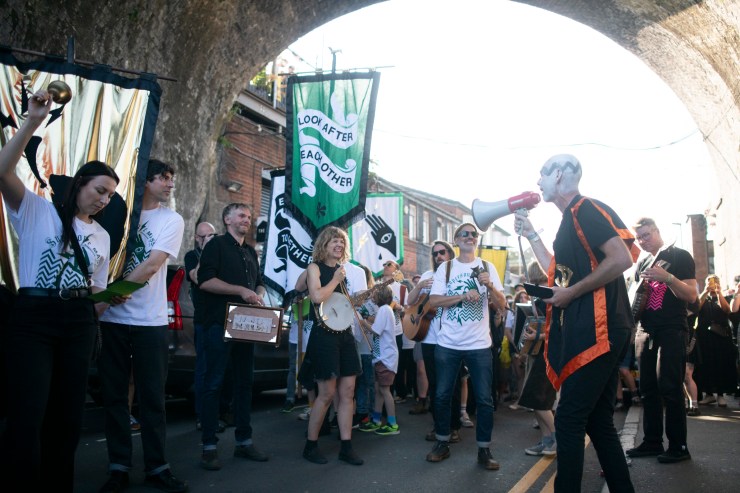
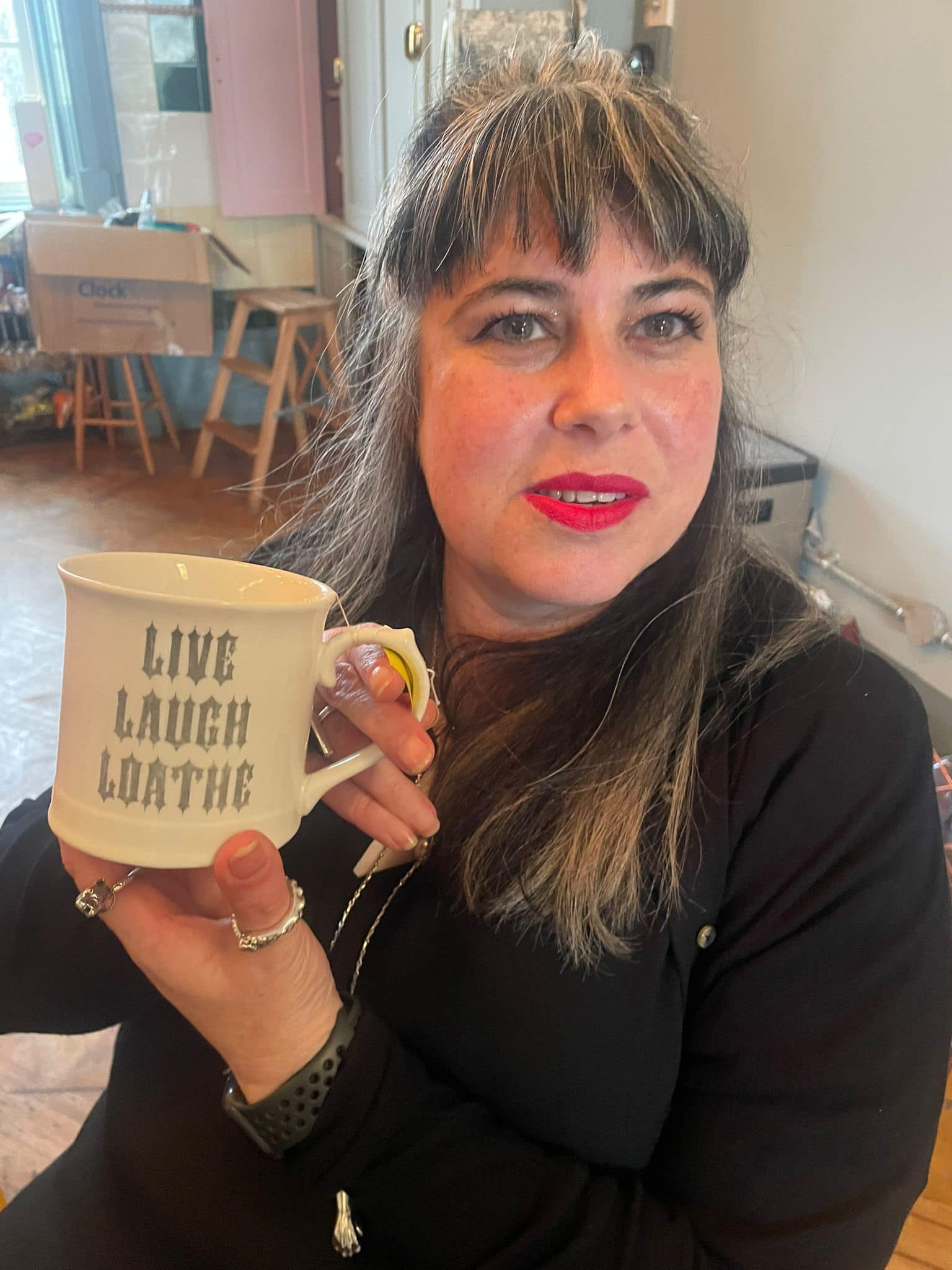
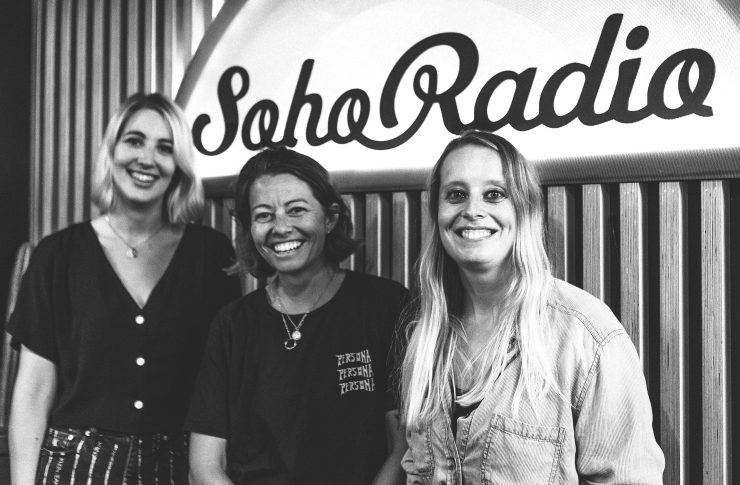
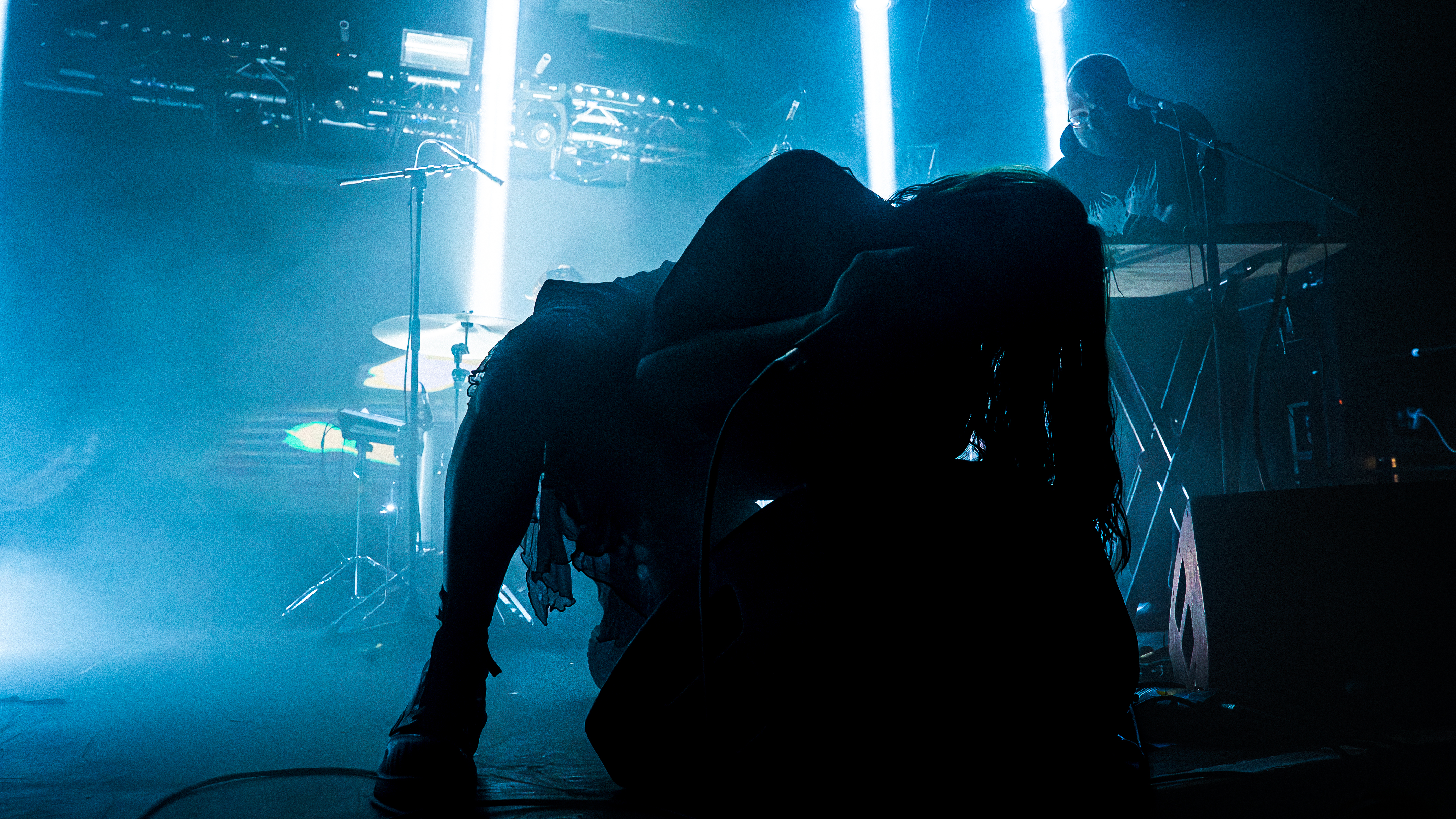
(Photo: Lisa Meyer)
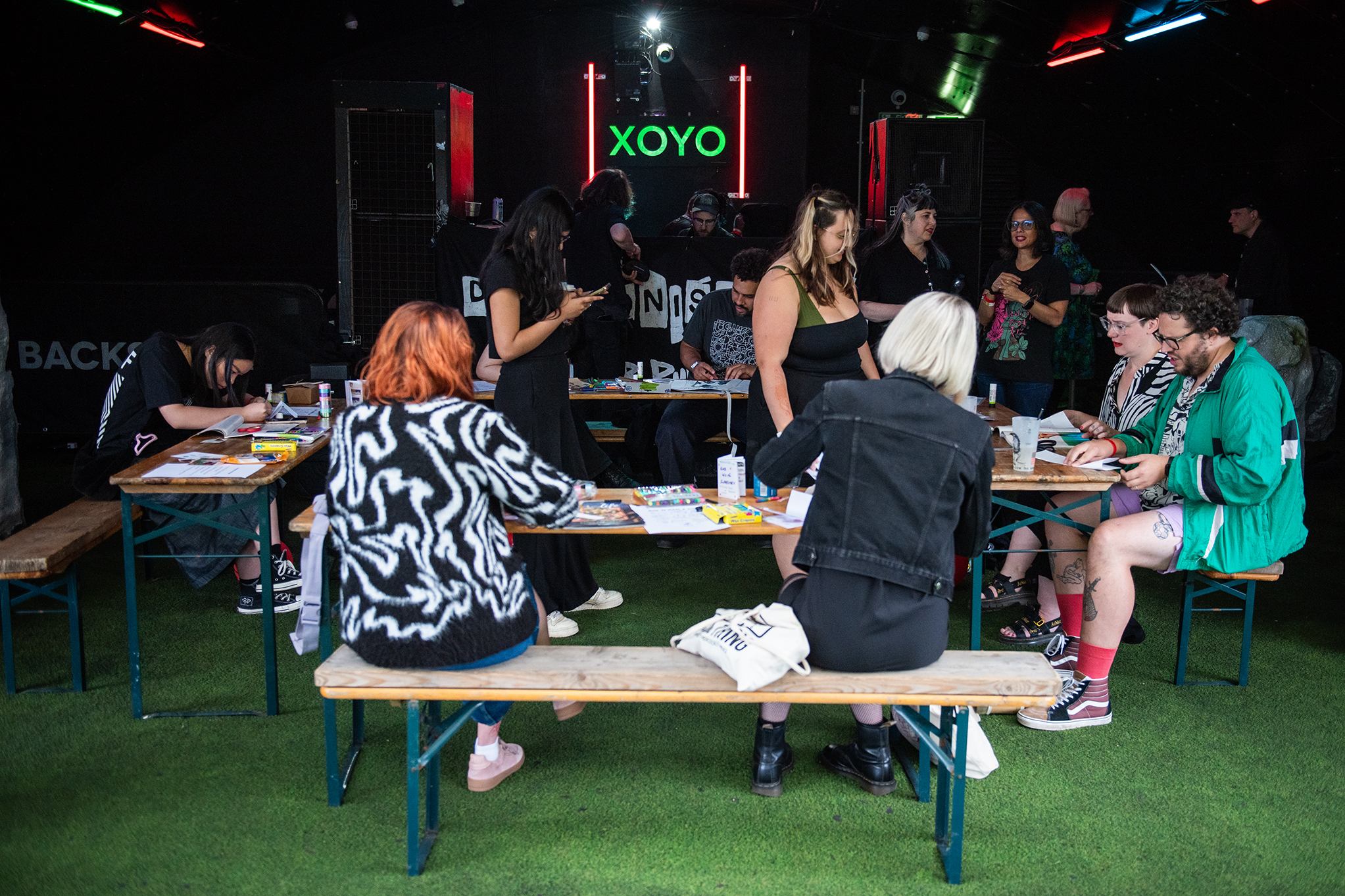
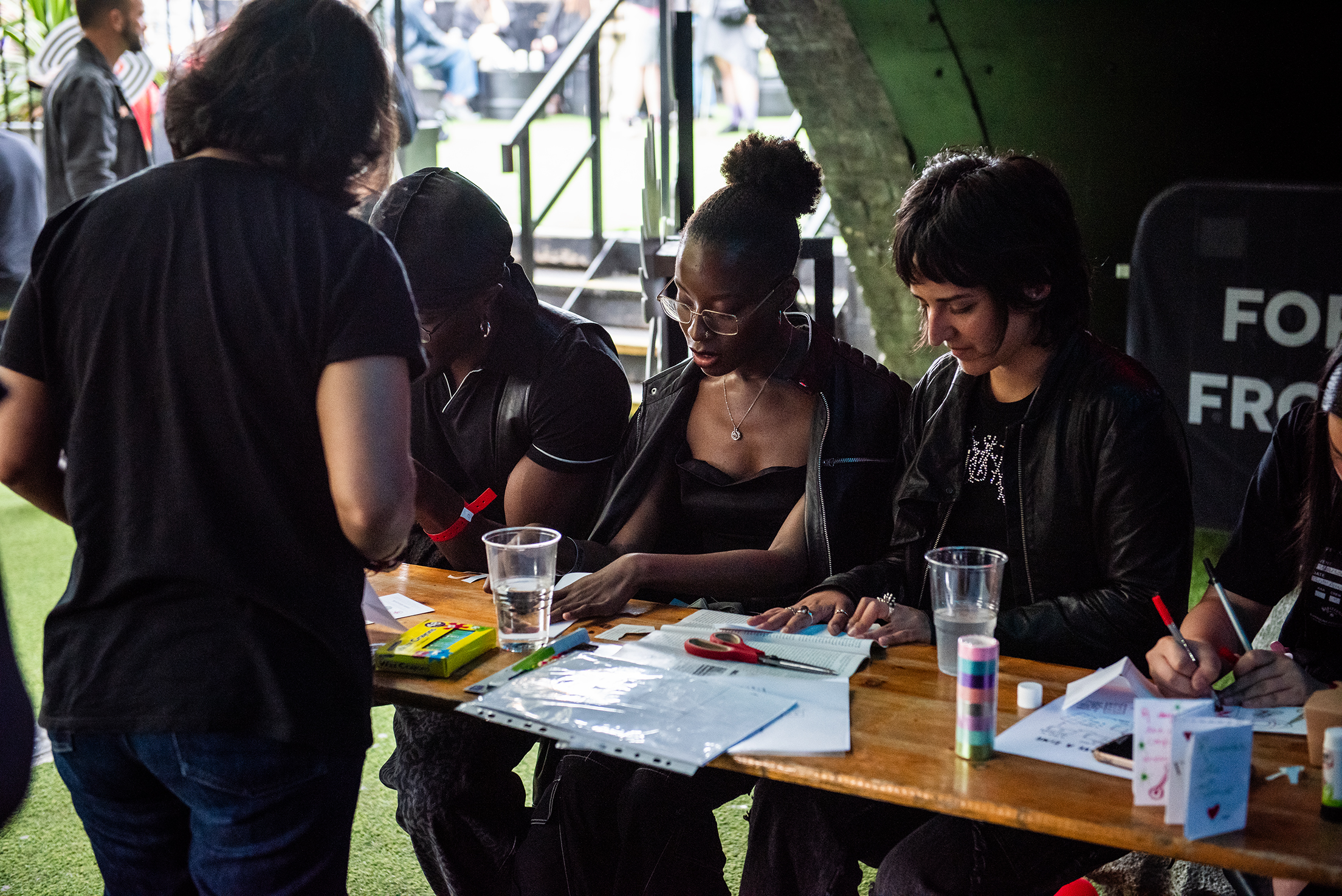
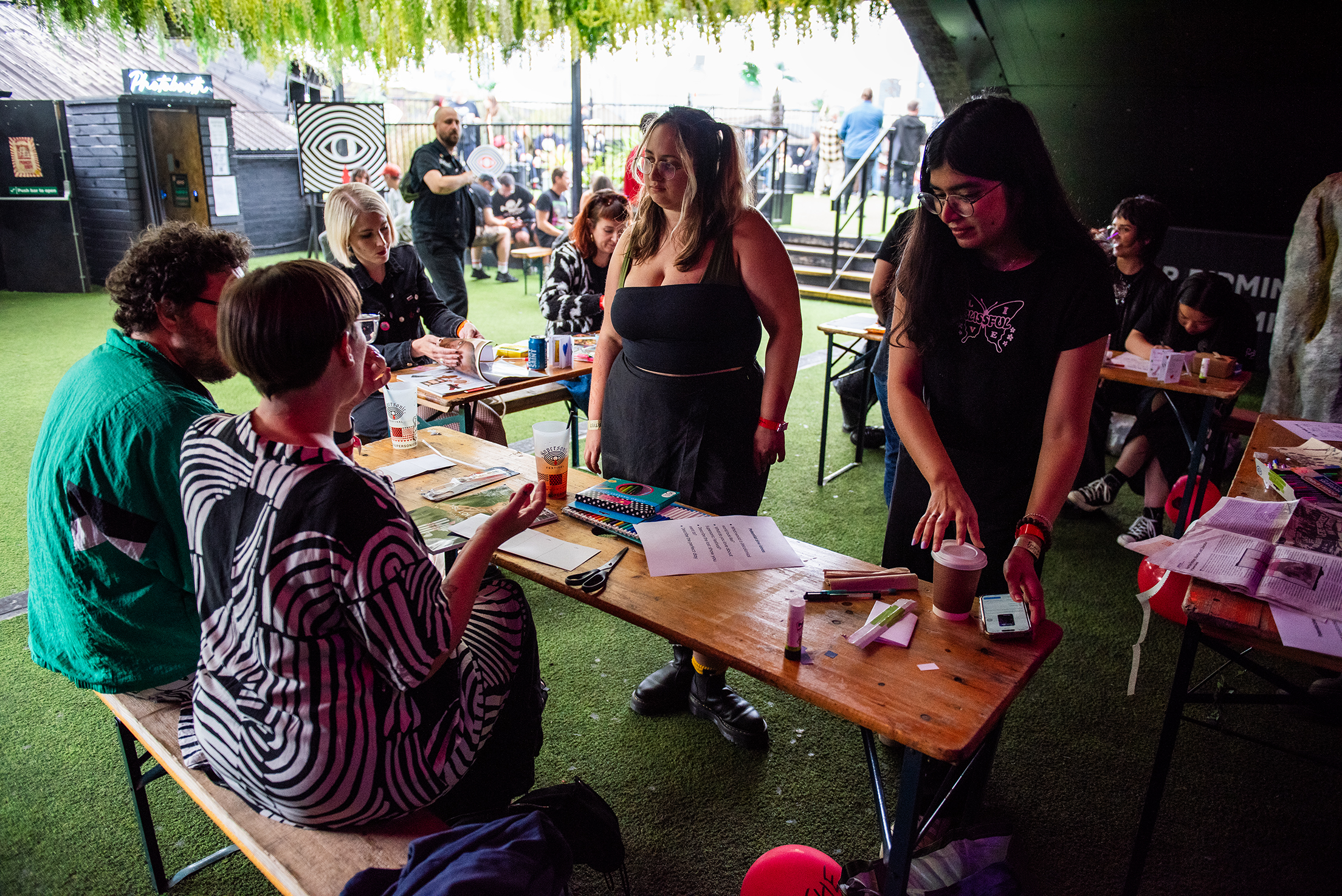
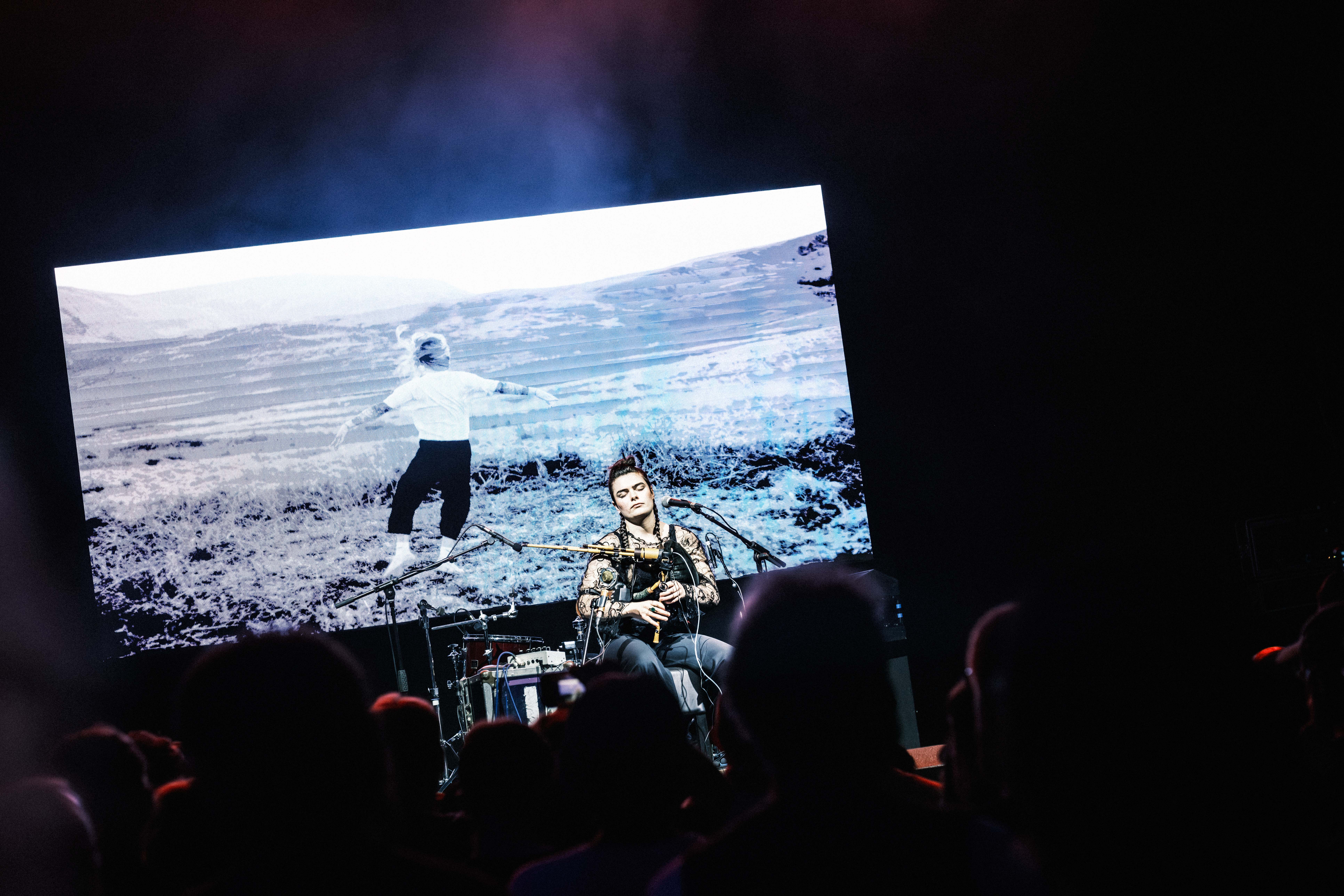
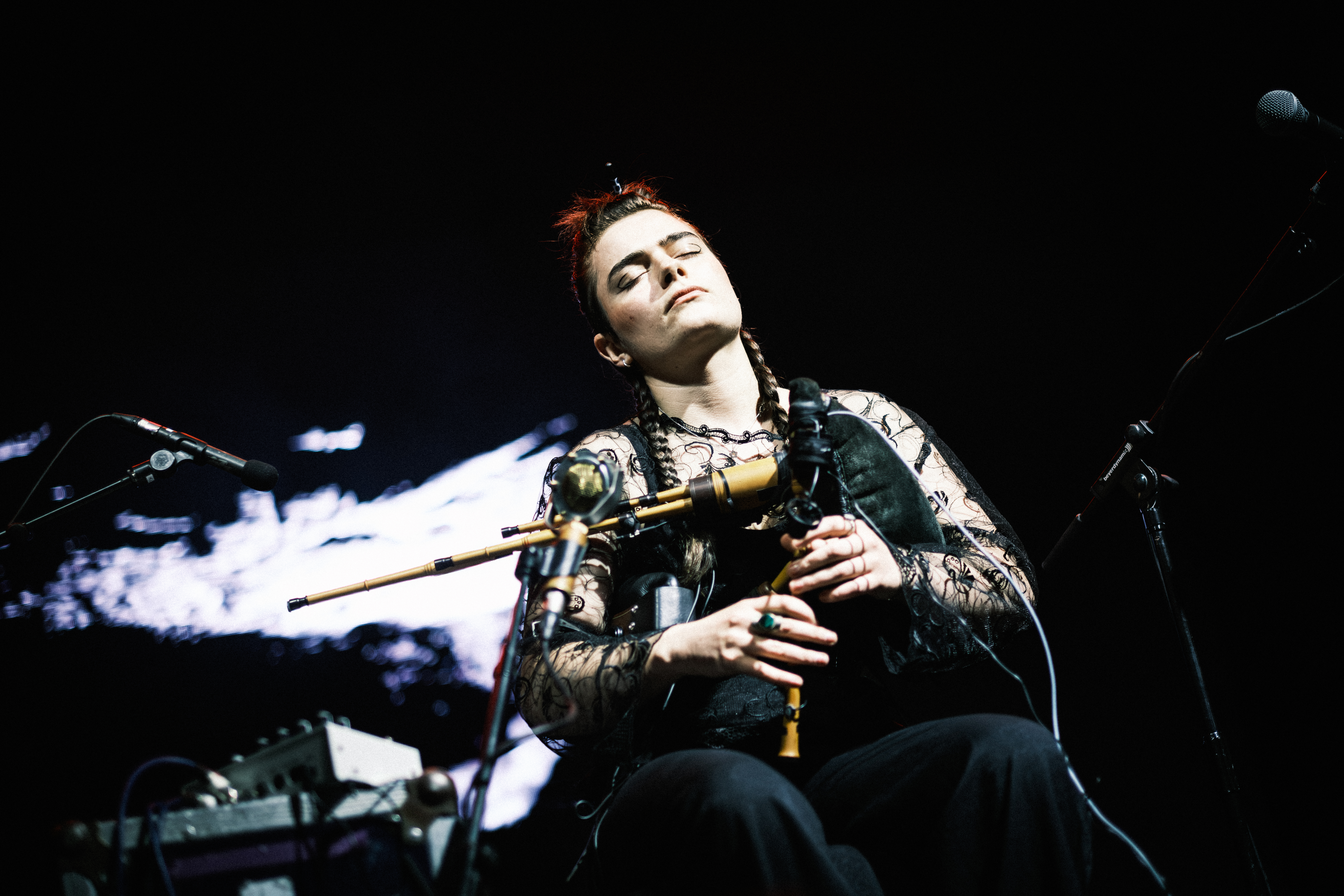
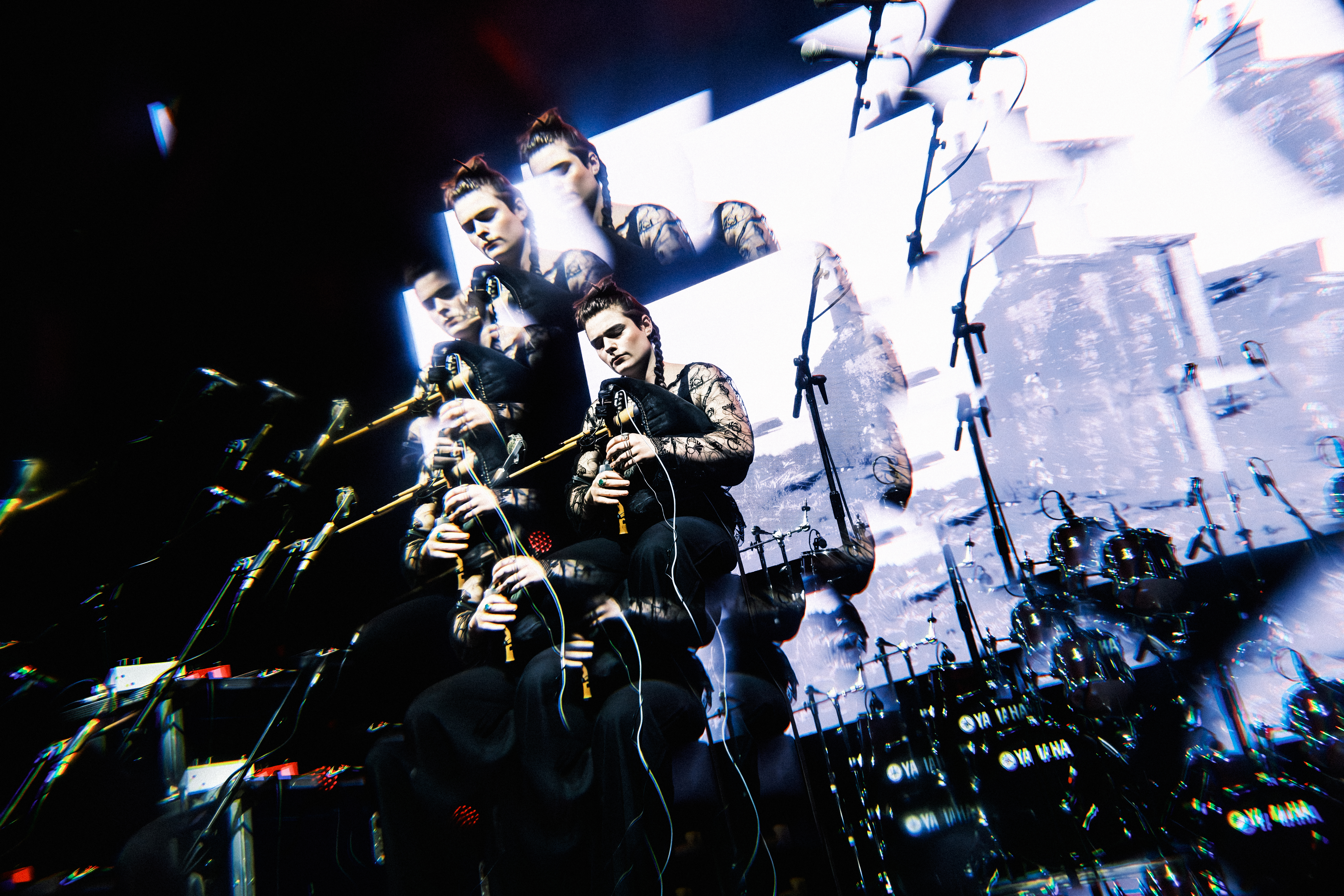
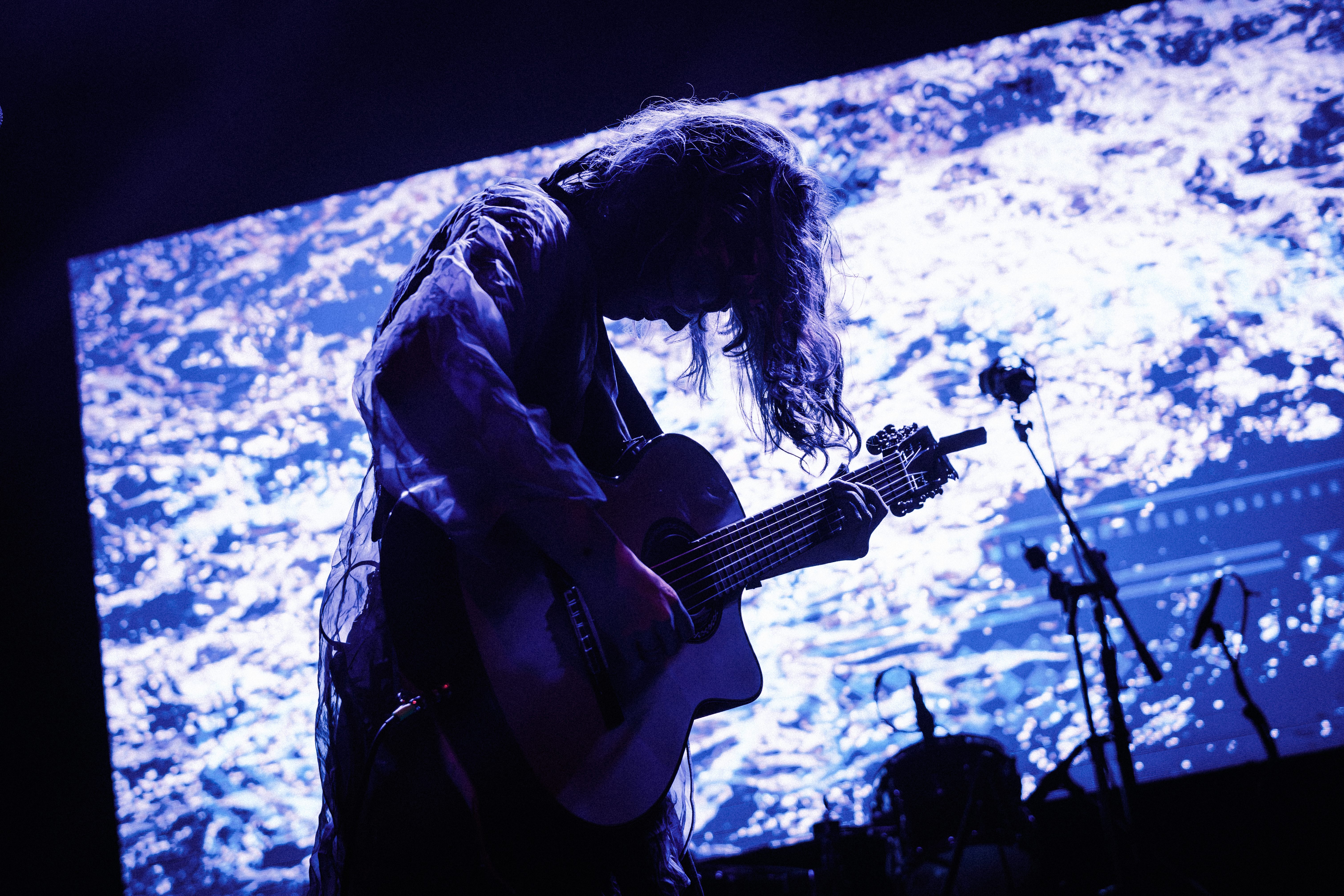
Championing alternative music and celebrating experimental art-forms is the lifeblood of Birmingham’s Supersonic Festival. Founded in 2003, the multi-venue event has become renowned for showcasing a unique array of musical and artistic talent from heavy and alternative genres. Get In Her Ears were lucky enough to attend the festival for the first time in 2024, where we saw Gazelle Twin, THE NONE, Emma Ruth Rundle, Tristwch Y Fenywod and many more (read our highlights feature here.)
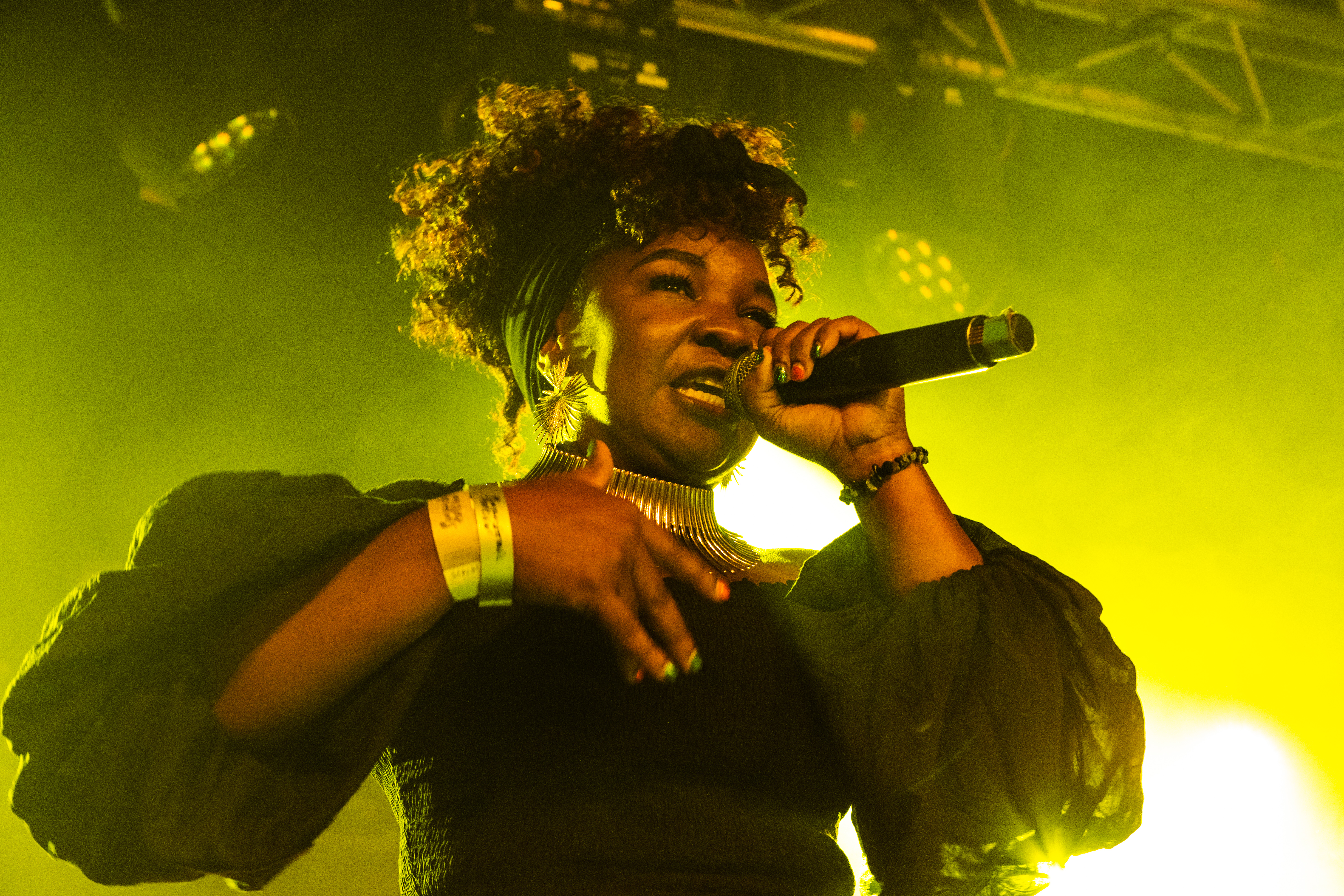
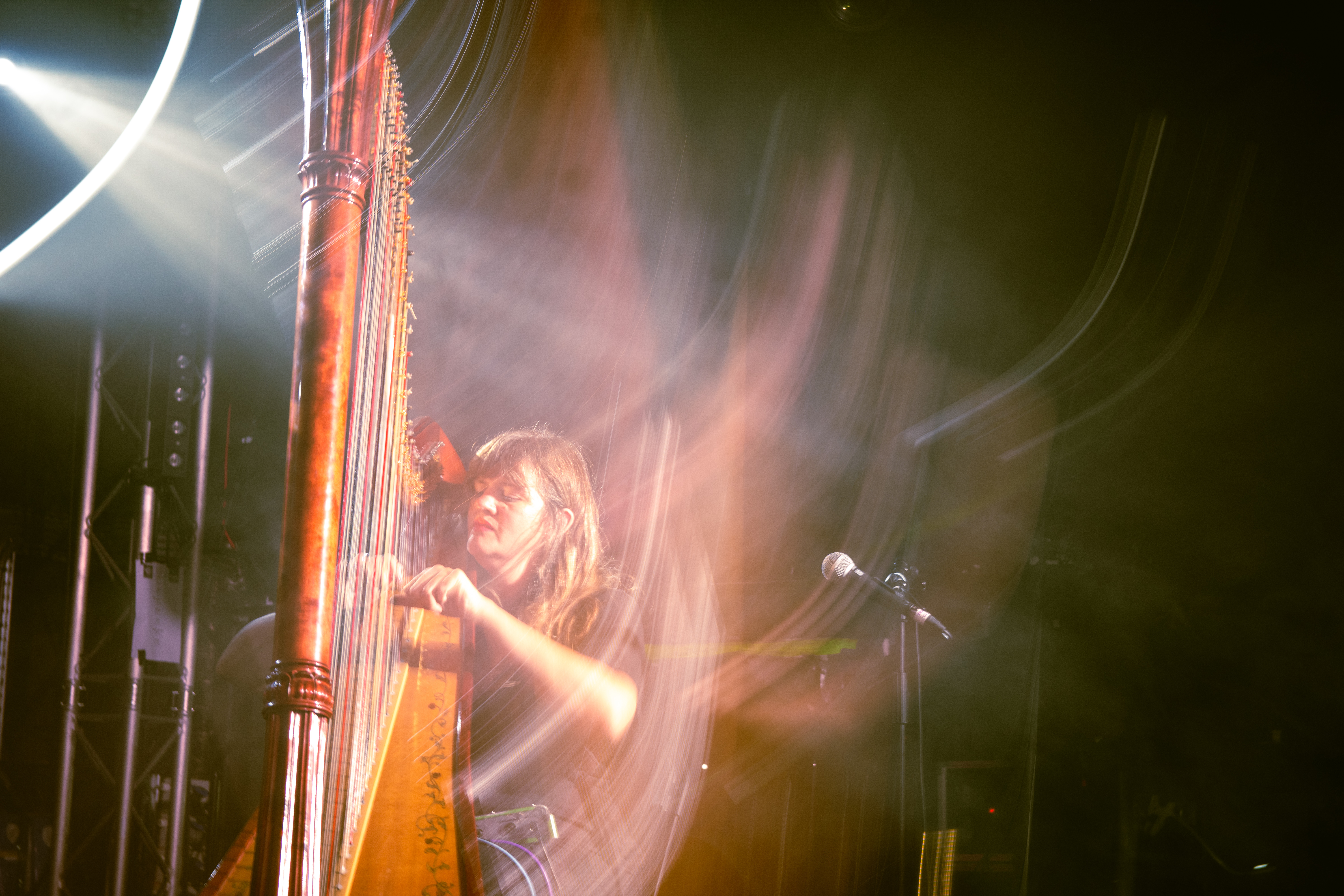
The line-up for this year’s edition of Supersonic – which runs from 29th-31st of August – is equally as impressive. GIHE favourite Penelope Trappes brings her stunning album A Requiem to the festival for the first time. Aussie instrumental-doom project Divide and Dissolve will return to pulverize eardrums with their gargantuan-yet-graceful noises and inimitable Zambian-Canadian rapper BACKXWASH will also return to share her corrosive beats and scathing lyrics with festival goers.
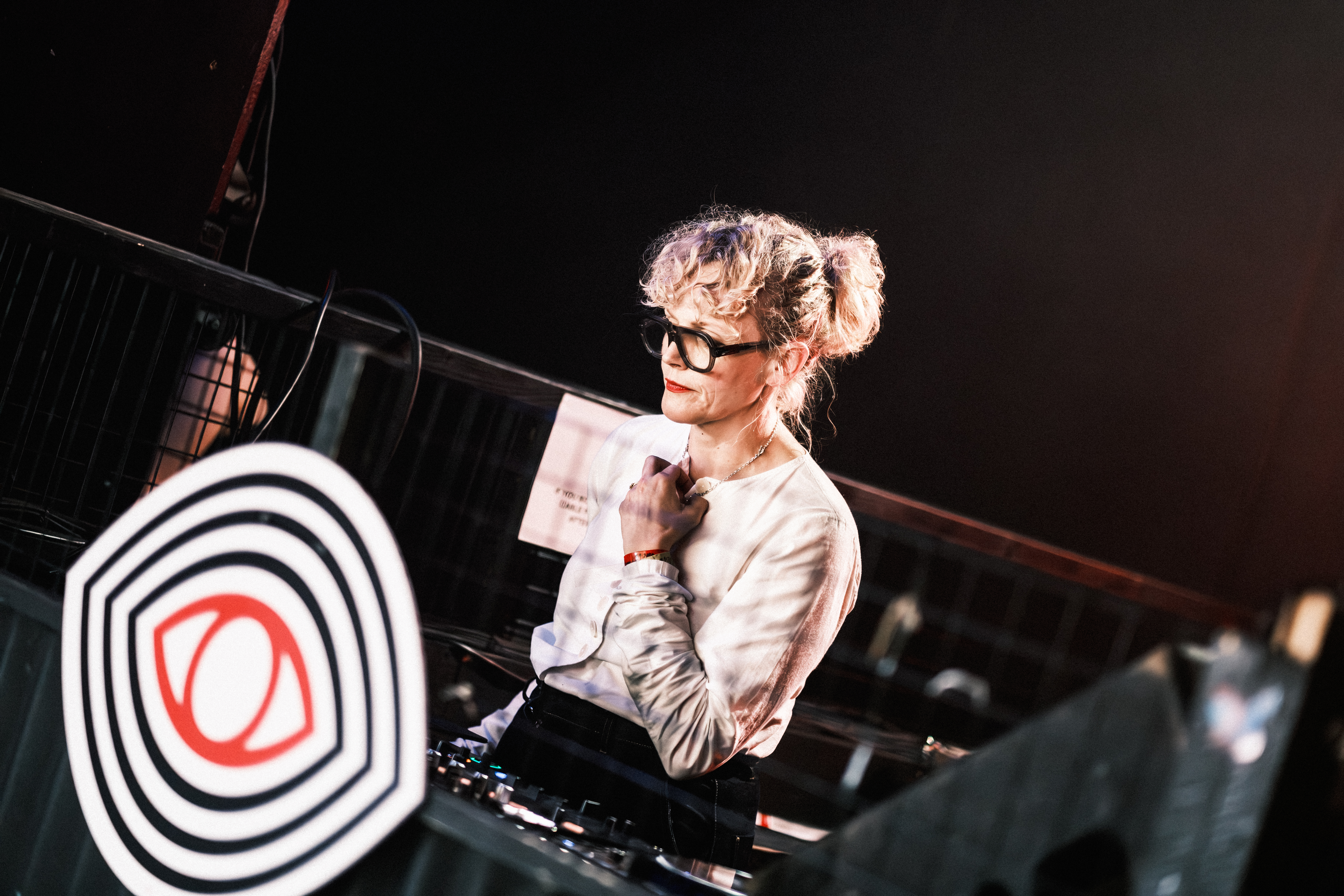
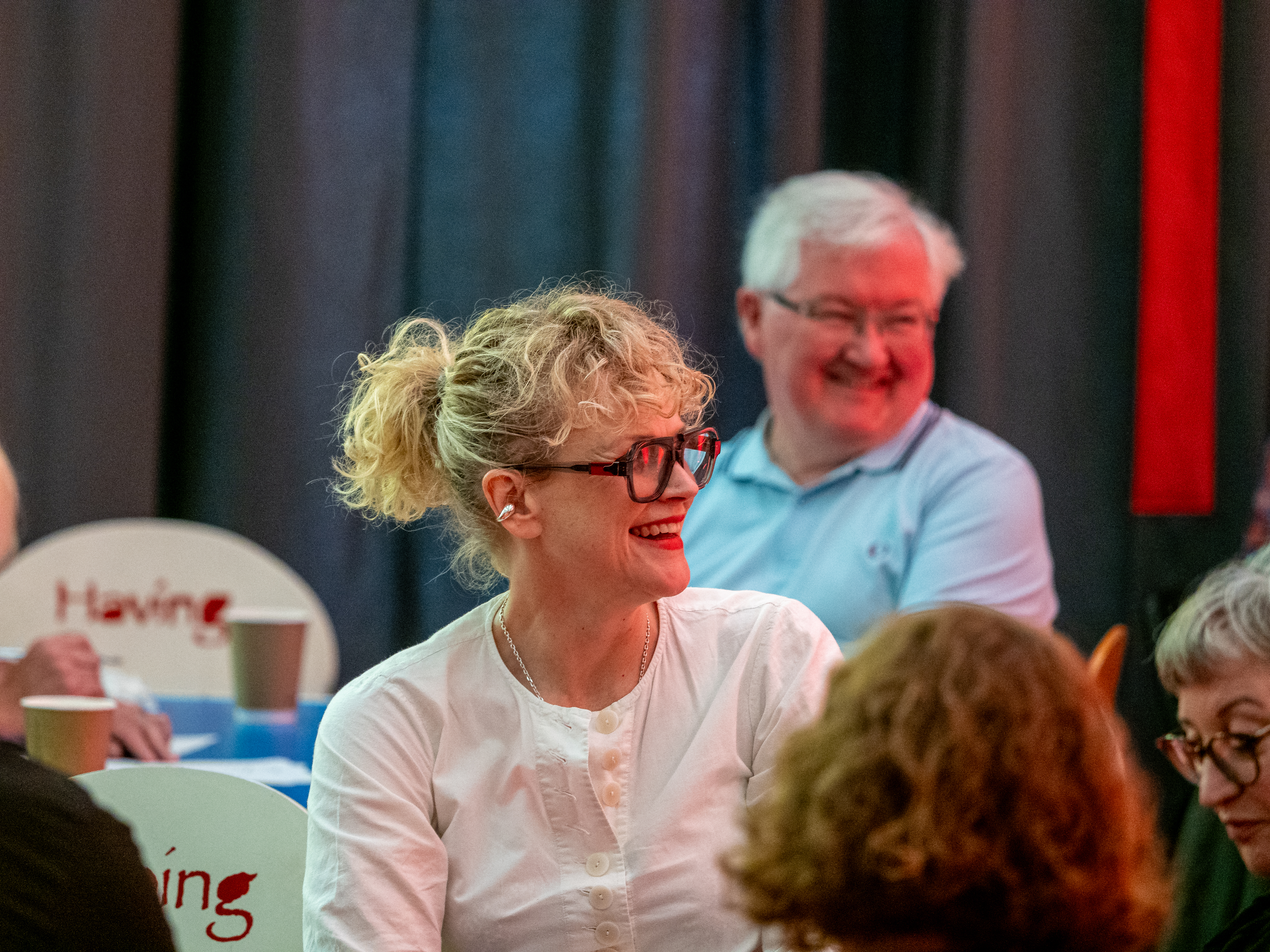
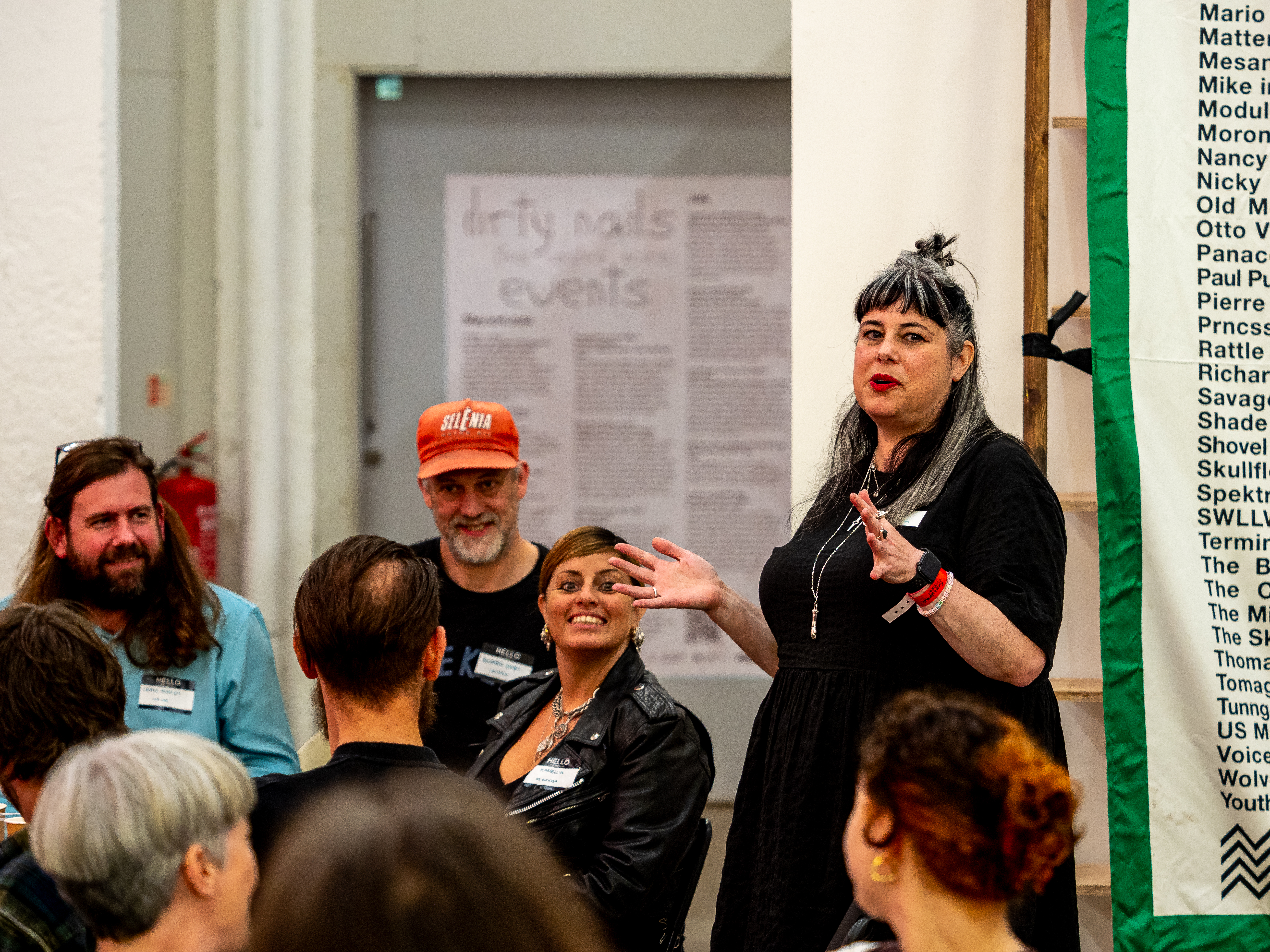
“I think of heaviness not necessarily as an amplification, but as music that is reflective of our world that we’re living in, and we’re living in really heavy times,” shares Artistic Director Lisa Meyer, deftly articulating why Supersonic Festival resonates so strongly with its loyal attendees. She is the creative force leading the dedicated team who have been curating this eclectic event for over twenty years. As the CEO of Capsule and the founder of the Home Of Metal project too, Lisa has dedicated her life to following and championing alternative culture.
“I think because we’re in Birmingham; the DNA of Birmingham is Black Sabbath, Godflesh and Napalm Death, but [Supersonic] is not, as I would call it, a ‘dude fest’ or a straight-forward metal fest,” she explains. “It’s about exploring heaviness across genres. There is a darkness to a lot of folk or electronic music and sometimes the most gentle, beautiful music has a sadness and a heaviness [to it],” she continues, citing Irish experimental doom-folk band ØXN as a great example. “There are heavy drones within their music, but Radie Peat’s voice cuts through you in a way that I think is as full-on as a metal band. It’s more about the feeling that [the music] creates within you.”
This emotional connection is something we were struck by at our first experience of Supersonic in 2024. It made us want to dig deeper and find out what goes on behind the scenes in order to bring this eclectic community-based festival to life. When we speak to Lisa over Zoom, it’s just three weeks until the next edition of Supersonic. Despite mentioning several setbacks throughout our conversation (which we’ll get into in more detail later), Lisa’s aura is equally as calm as it is enthusiastic. She clearly relishes talking about artists, past and present, who have shaped her personal tastes and who ultimately lead her to start Supersonic.
Originally from London where she felt “spoiled” in terms of her exposure to alternative music and culture, Lisa moved to Birmingham in 1994 to gain independence and to study a fine art degree. As a young teen, she says she frequented the weekly Feet First indie club night at the Camden Palace (now KOKO), which she considers to be her “grounding” for getting into music. “Looking back on it, it was probably dodgy as hell,” she smiles, “but I was 14 and me and my friend Lisa – we were called ‘The Two Lisas’ – got to see so many live indie bands; from Doctor and The Medics through to Lawn Mower Death and Meat Beat Manifesto.”
Lisa also recalls her parents playing Black Sabbath and Jethro Toll on the stereo on car journeys as a child, hearing the Songs of Leonard Cohen and The Velvet Underground around the house, and obsessively playing the 7” vinyl of Kate Bush’s iconic ‘80s hit ‘Babooshka’ from her Dad’s record collection. She also cites the Pixies, The Cure and Sisters of Mercy as big influences during her teens. This exposure to so many varied and contrasting musical genres seems to have been the catalyst for everything that she did next.
When she moved to the midlands, she remembers being “shocked” at the lack of cultural spaces in Birmingham compared to London, where she had constant access to gigs and art exhibitions. “But when there isn’t anything there, you [can] create from nothing,” she adds wisely. “It’s the perfect environment to create something yourself.” She began frequenting DIY punk all-dayers in places like Bradford, Leeds and Nottingham, before she started hosting gigs herself in the basement of the student house that she shared with 11 other people. “It sounds glamorous, but it was a very rundown house, and because of that, it gave us absolute freedom,” she comments. She quickly gained a solid reputation in the DIY scene for being a great promoter; always paying bands fairly and making sure they were fed and looked after, something she states was a rarity on the local scene at the time.
From these early experiences, Lisa gained the essential knowledge which led her to start up her own official arts organisation. In 1999, alongside friend Jenny Moore, she co-founded Capsule, a platform dedicated to producing events and exhibitions for curious audiences in Birmingham. As well as championing new and exciting alternative art, Capsule serves a more personal purpose for Lisa. “Although I’d studied fine art, my passion was music and being a music fan, but I was also incredibly, painfully shy,” she reveals. “I wasn’t someone that stood at the front of a gig or wrote a zine. I didn’t feel like I had a voice particularly. I think putting on gigs gives you a purpose. It gives you a reason to be sociable, but kind of on your own terms.”
This new found confidence, combined with an eye-opening trip to Barcelona’s Sonar Festival in 2001, laid the foundations for Supersonic. “I was absolutely blown away by the fact that the festival happened at the MACBA, which is the Museum of Contemporary Art in Barcelona,” she recalls about the galvanizing live music experience. “At that time, Jenny was doing a photography degree and I had done a fine art degree, so we wanted to bring together that sort of visual aesthetic [too]”. Seeing UK experimental-noise artist V/Vm (aka Leyland James Kirby) play inside a beautiful Gothic church seemed to blend these two things together for Lisa.
“V/Vm were dressed as a chicken and a love heart. They had those big Spanish hams and they were on turntables with cabbages and meat juice was flying out into the audience,” she shares. Fast forward two years later to 2003, and Lisa and Jenny had booked V/Vm to play the first ever Supersonic Festival at The Custard Factory in Digbeth, alongside Coil, Pram, The Bug with The Warrior Queen, LCD Soundsystem and metal bands from the local scene.
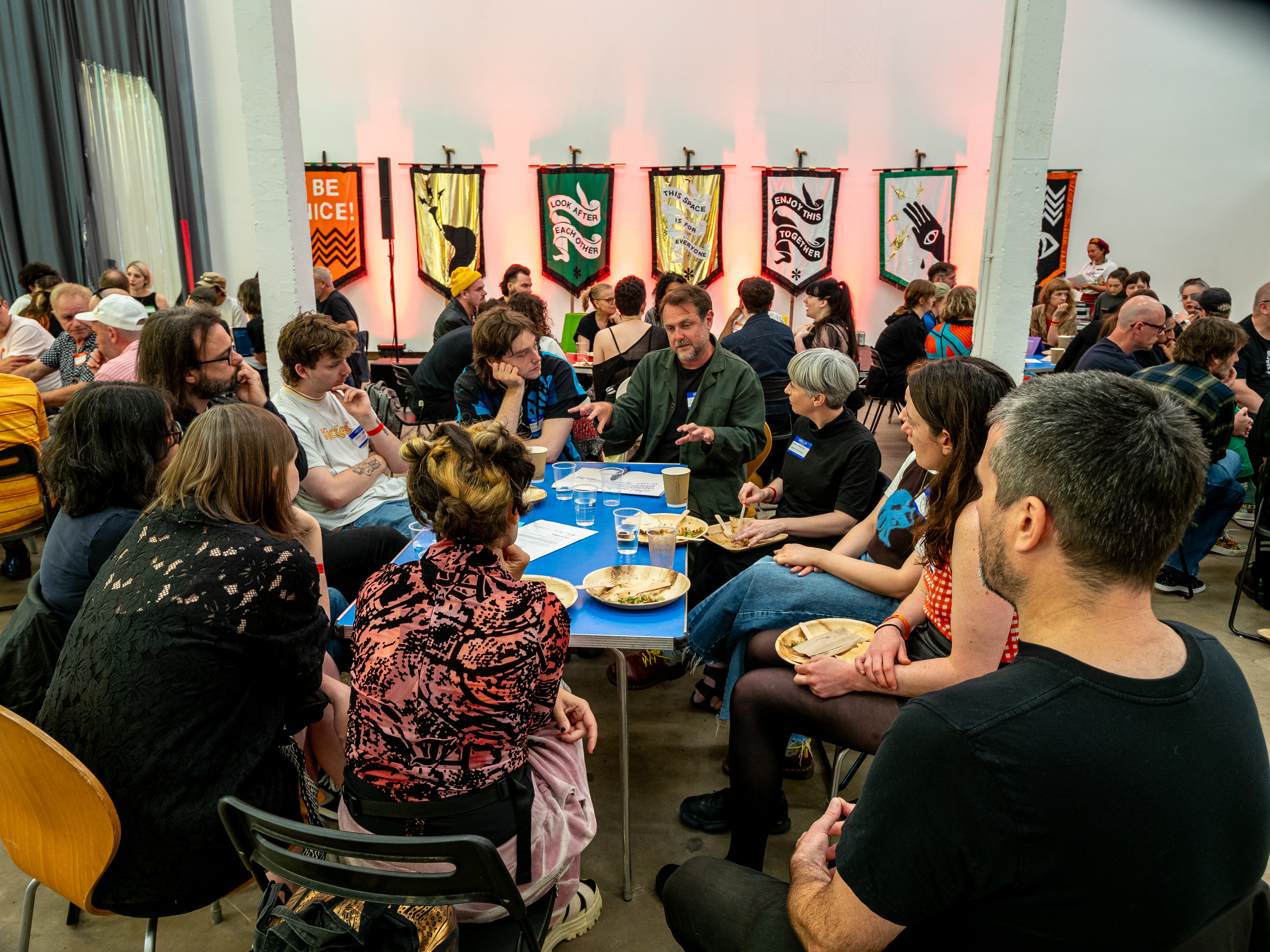
“It was a really eclectic mix and I guess at that time, no one else was really doing that,” Lisa comments. She acknowledges that festival line-ups were generally geared towards a single genre, and that the electronic music scene in particular felt inaccessible to lots of fans. “It was very boy-sy…you had to be an ‘expert’ to be into electronic music at that time, it just felt really hostile,” she shares. Lisa wanted to create a “welcoming space” with no rigid genre barriers and no gate-keeping – something that GIHE felt was one of the most impressive and coherent elements of last year’s Supersonic festival.
Creating and sustaining something as original as Supersonic has been equally as life-affirming as it has been challenging for Lisa, for numerous reasons. In 2012, her creative business partner Jenny took a step back from Capsule and Supersonic in order to focus on her young family, which was an eye-opening experience for Lisa, who became the sole Director, Artistic Director and CEO. “I think because we ran it together, we were almost oblivious to risk, because we had each other, so we just made stuff happen,” she shares. “Jenny was absolutely brilliant at fundraising and the budgets and as I used to call it ‘the adult stuff’. So suddenly, I had to inherit this weight of responsibility and it was also at a time when the Arts Council really didn’t understand the value of experimental music or adventurous music.”
Lisa explains that Supersonic received “tremendous pushback” from Arts Council England in the early days of applying for funding. She tried to make it clear in her applications that at its core, Supersonic was about supporting an ecosystem that was not too dissimilar to theatre. Theatre brings in ticket income, but this is subsidised to support the production and the making of it – whether that’s a West End musical or an obscure performance piece. She had to lobby hard to make sure that the festival was not misinterpreted as a purely commercial venture.
“I started to understand the role I can play in terms of supporting more emergent artists and making sure that the line-up is diverse,” Lisa extrapolates. “I think in the early days, just making the thing happen was an act of resistance. Being two young women in that male-dominated field was enough of a thing. Whereas now, I wouldn’t say we’re in a comfortable position, but there’s an inner confidence to be able to kind of make sure that that’s part of our mission and our goal with Supersonic.”
This year’s edition of the festival continues that vital mission. Between BACKXWASH, Divide and Dissolve, Zahra Haji Fath Ali Tehrani, BUÑUEL and Penelope Trappes (to name just a few), Supersonic’s line-up seamlessly sets an exciting and necessary precedent for diversity in all its forms. Lisa has always been meticulous with her curation though, and this is something that’s developed over time. “Because we’re really limited in our budgets, that makes me have to be extremely creative and really careful in terms of who I’m programming, so there’s no filler and it means that everyone’s there for a reason,” she shares. “There’s an un-said relationship between each artist and the journey that I’m trying to create within a day or over the weekend.”
Despite this dedication and attention to detail, Lisa confesses that she is not immune to imposter syndrome. She has always felt that her relationship to music has been based on gut feeling, obsessive listening and intuition, rather than technicalities like being an “expert” producer or a music-maker herself. When asked if she has ever seriously considered giving up Capsule and Supersonic because of this, she humbly replies that despite the numerous sleepless nights, it doesn’t really feel like a “job” to her – it’s more of a calling.
“I think probably now I’m unemployable,” she laughs. “I’ve done this for 20+ years, I don’t know anything different. When it actually comes together and you have that weekend where there’s that sense of community and you’ve been able to create a sort of critical mass for relatively unknown artists, and your audience feels part of something that feels really important, like we’re part of this global community – that spurs us on for the next year.”
It’s not just imposter syndrome that Lisa has had to battle. In recent years, the gentrification of the Digbeth area where Supersonic is held has caused her immense stress. In the inaugural days of the festival, Lisa remembers Digbeth feeling a bit like the “Wild West” as it had minimal infrastructure in terms of proper street lighting or cash points. This allowed her and her team to build their own infrastructures within the warehouse spaces they rented and to create the “blueprint” for Supersonic, but it’s a different story today.
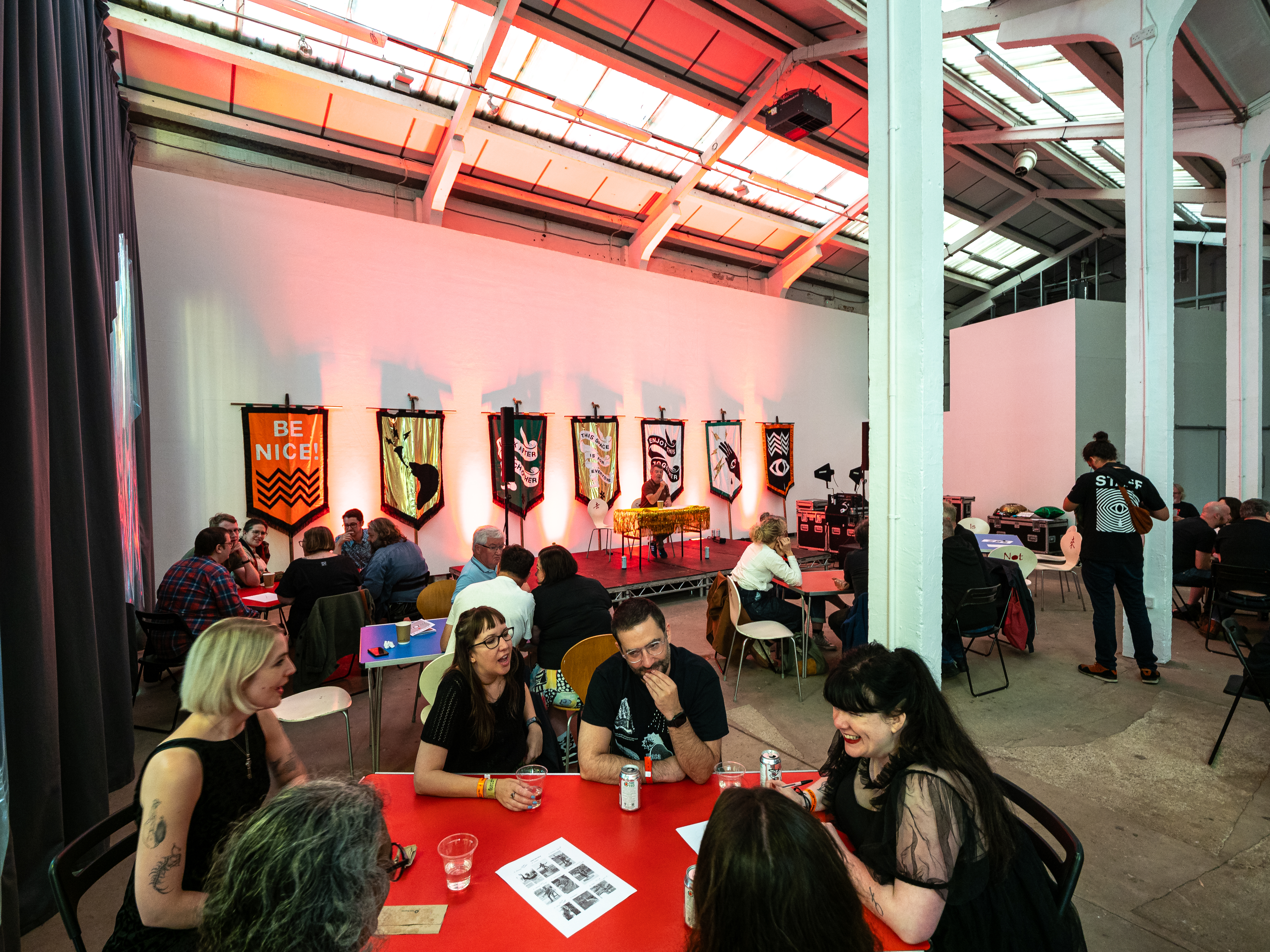
“As the years have gone on, developers have come in and taken those spaces, and developers are not supportive of culture, especially outsider or counterculture,” she comments. Lisa has had to compromise to keep Supersonic alive. In 2024, for the first time ever, they had to switch to using a commercial venue – The O2 Institute – due to developers making it too difficult to use their original, formerly independent space. This year, Lisa has shared the news that Supersonic’s Marketplace – the festival’s hub for food, selling records, socialising and DJ sets – will have to relocate to Zellig Building for similar reasons.
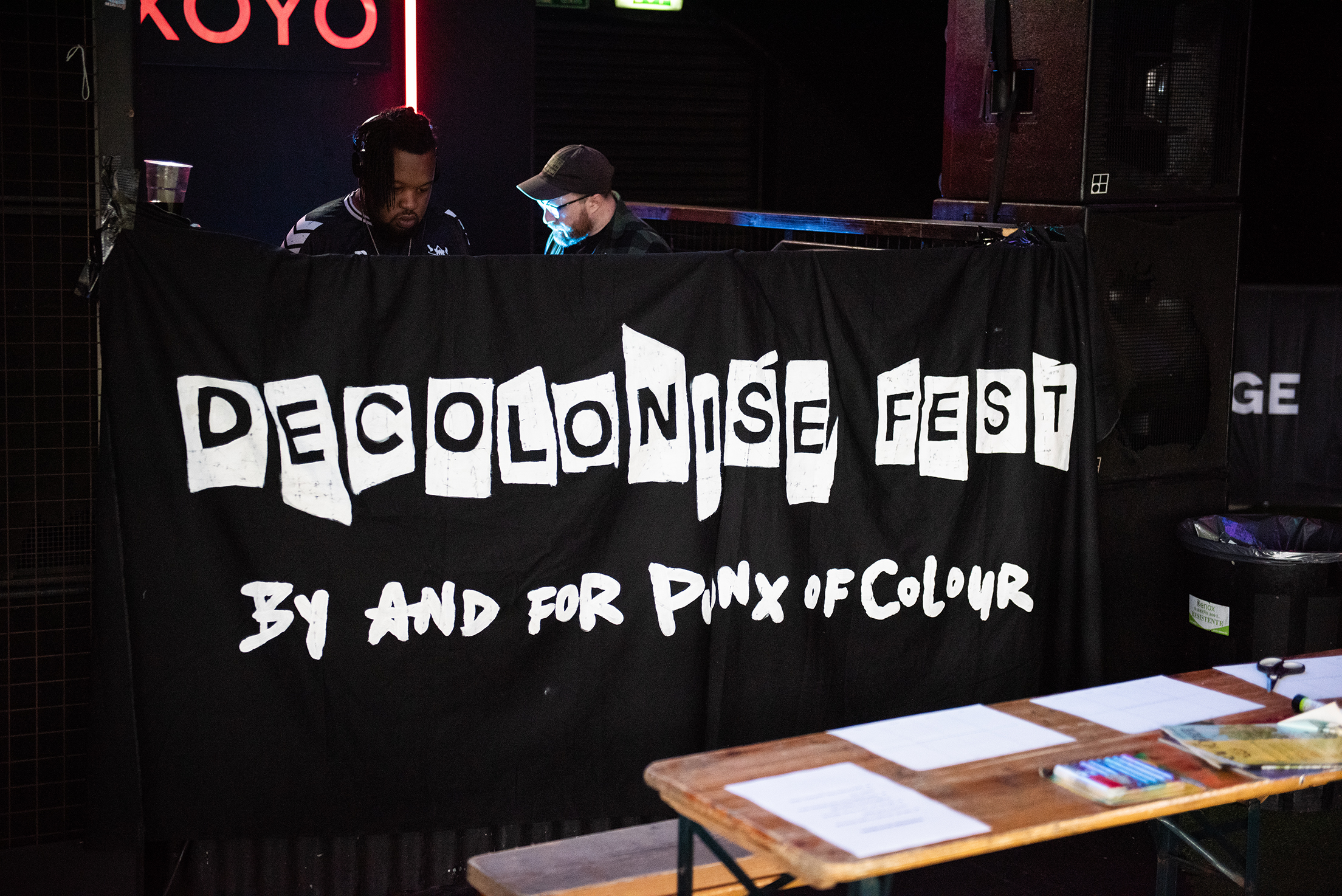
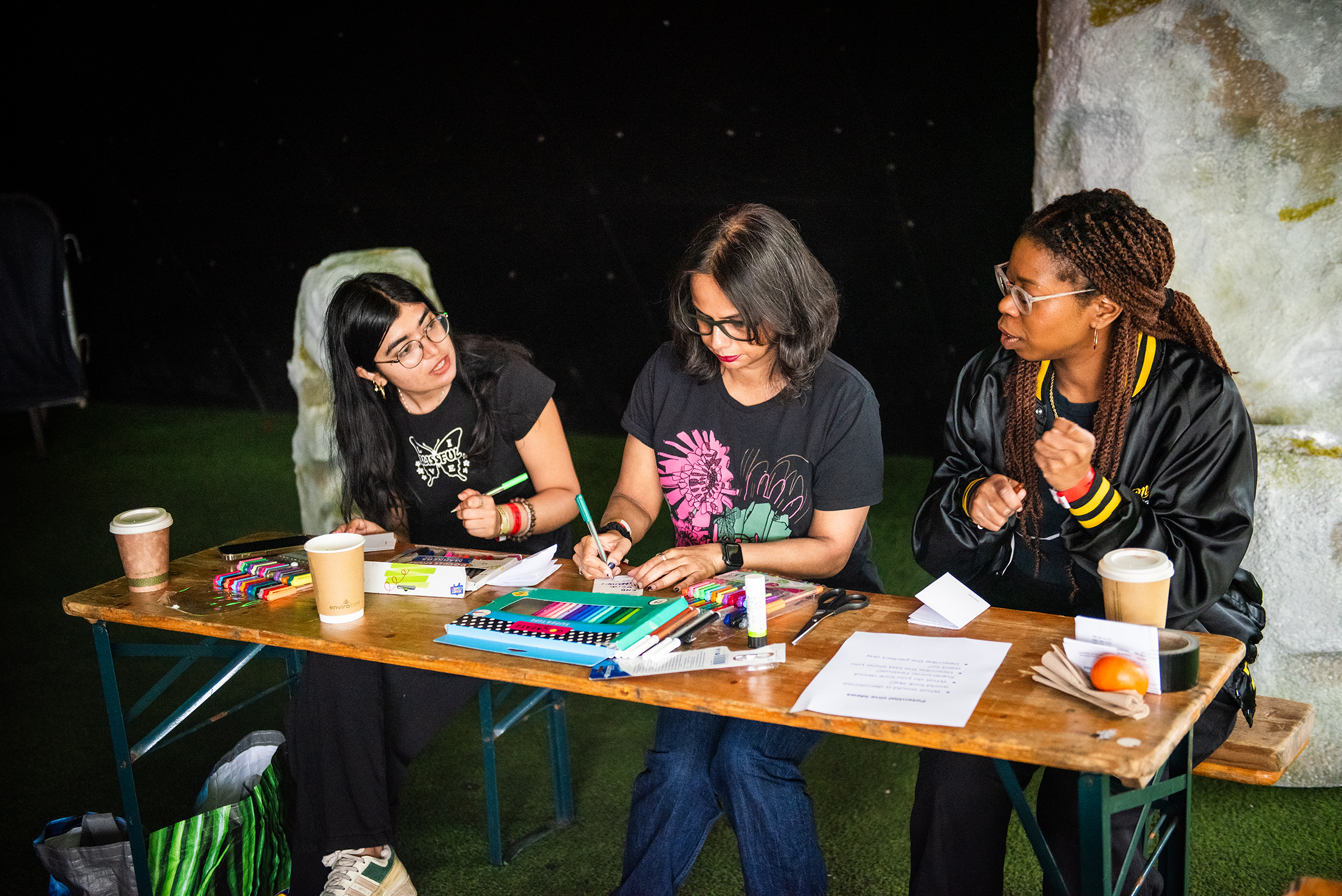
These changes are not just inconvenient logistically, they incur costs that Lisa is desperately trying not to pass on to the festival’s loyal attendees, but this is becoming increasingly difficult. “Supersonic is meant to be a celebration of the underground, but if it’s too expensive, people can’t attend,” she states, but she is battling hard to make sure this doesn’t happen. “We have started a solidarity ticket scheme where people who can afford to pay a bit more, buy a more expensive ticket and that means that we can work with partners like O121 Queercore and Decolonise Fest to do massively subsidised tickets to their networks. So we’re trying, but it sort of feels now like Supersonic happens against all odds, which is quite exhausting. I’d say this year, I’ve never known it as hard as ever before, in every element of putting a festival together. It feels like this year may well be the nail in the coffin of it being in Birmingham,” Lisa sighs, “unless something really radically changes in terms of whether the council starts to intervene in some way.”
Lisa’s determination in the face of such adversity isn’t just admirable – it’s vital. She has invested time and money creating a platform where artists and fans feel truly valued, and in today’s climate of grassroots music venues closing on a fortnightly basis according to The Music Venue Trust, that cannot be underestimated. She has spent time nurturing authentic relationships with the artists who play Supersonic, leading them to not only return to play, but to also become fans of the festival themselves.
“Last year, we had Bonnie Prince Billy headlining, but he came because he was interested in seeing ØXN and Robert Aiki Aubrey Lowe,” Lisa shares. “This year, we’ve got Poor Creature performing, who is Cormac from Lankum [who played last year], and Ian Lynch and Maxine Peake are coming back to DJ too. They want to come as punters, which is really lovely. We’ve built up relationships with people like Stuart Braithwaite (Mogwai) and Elizabeth Bernholz (Gazelle Twin) over the years, so they feel that if they’ve got a new project, Supersonic’s the place for them to try that out, which is great.”
Connecting curious minds and cultivating pure, primal connection to music is what the festival is all about. Unfortunately, we can’t attend Supersonic this year, but we urge you to buy a ticket and immerse yourself in all of the weird and wonderful creations that the festival has to offer. You won’t be disappointed.
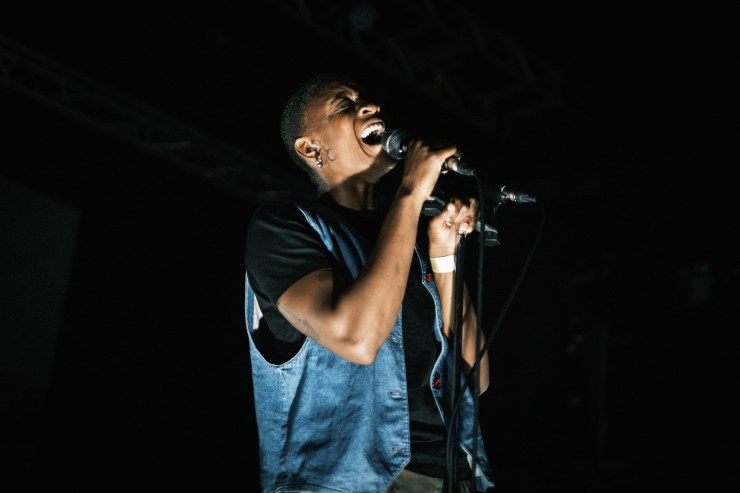
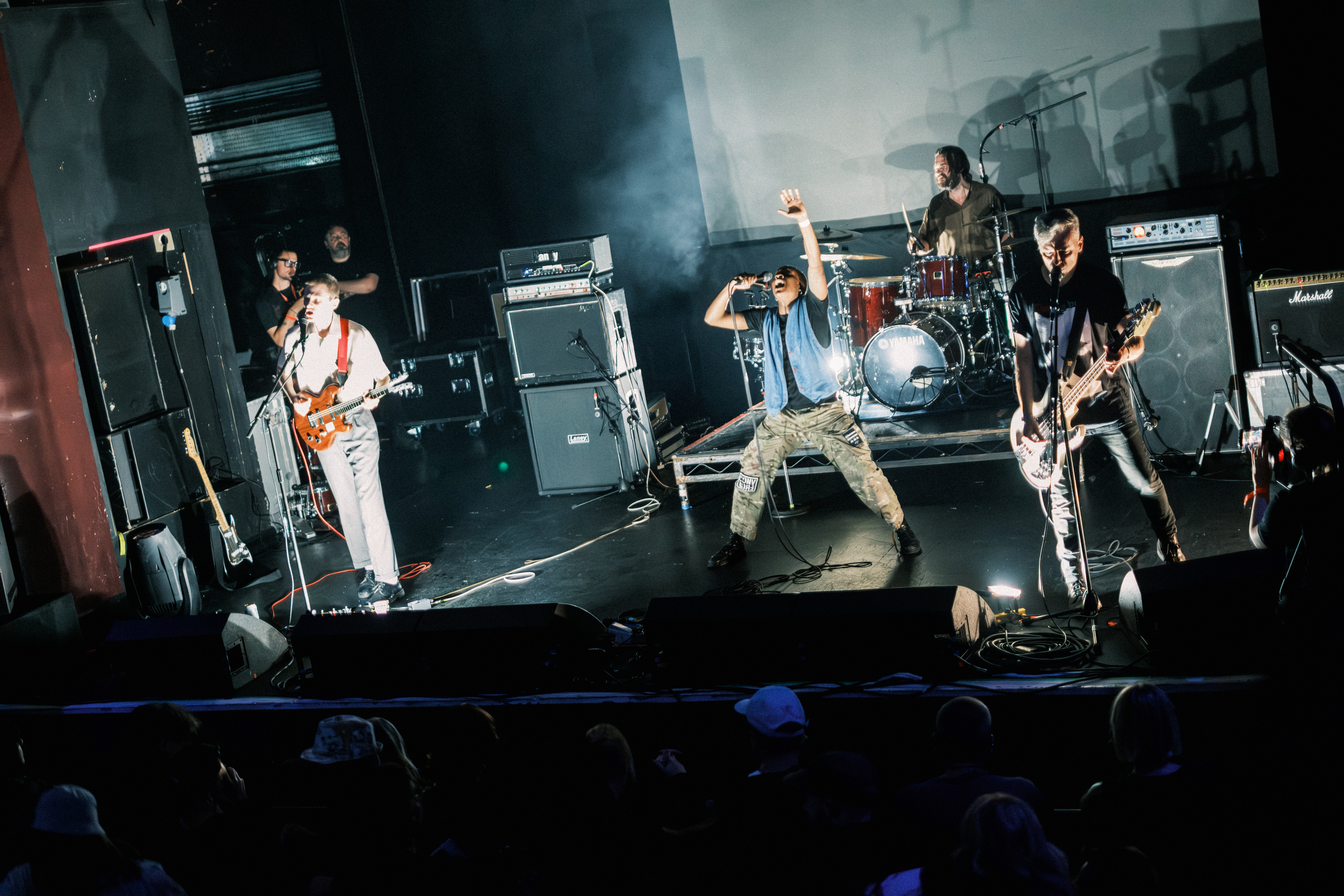
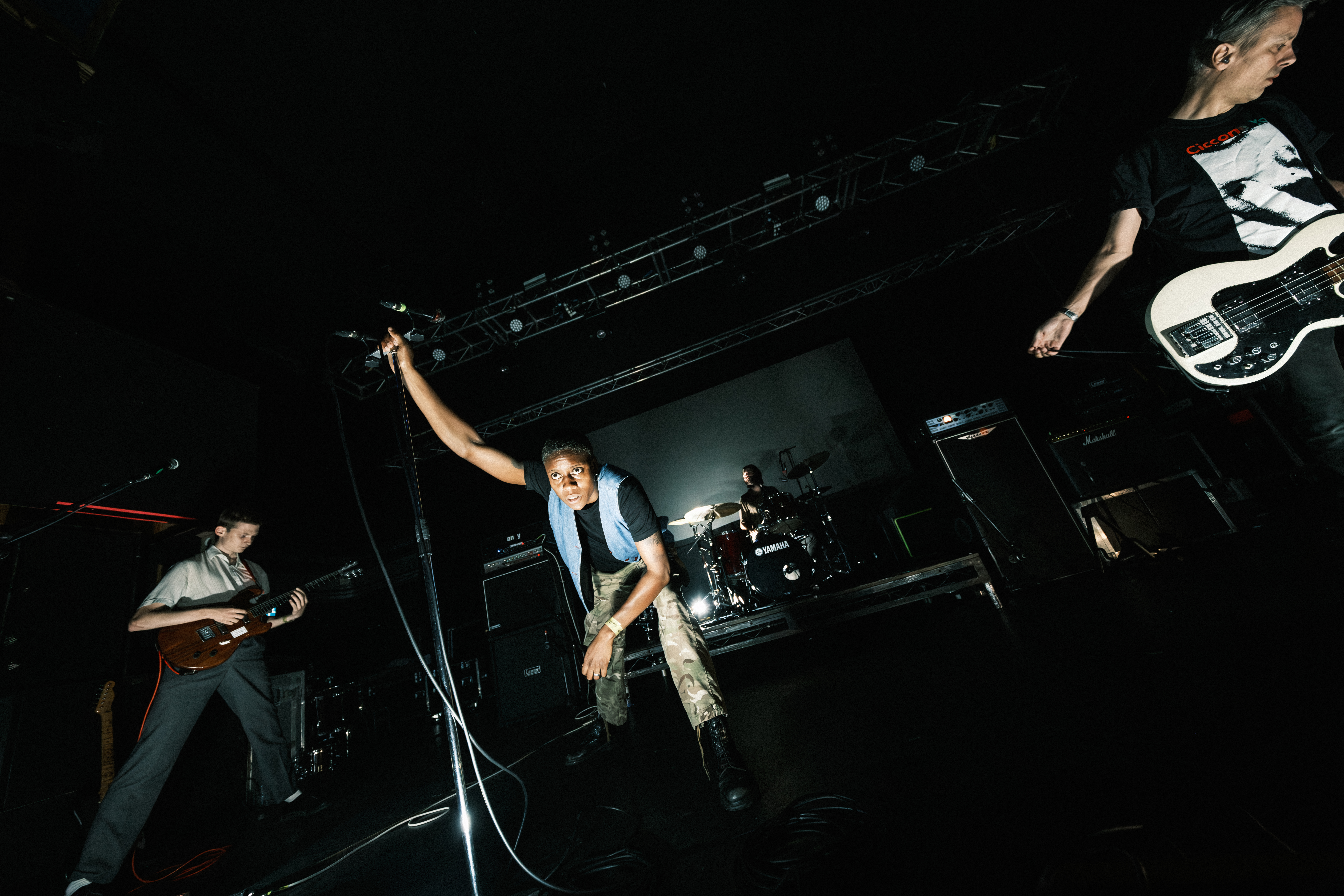
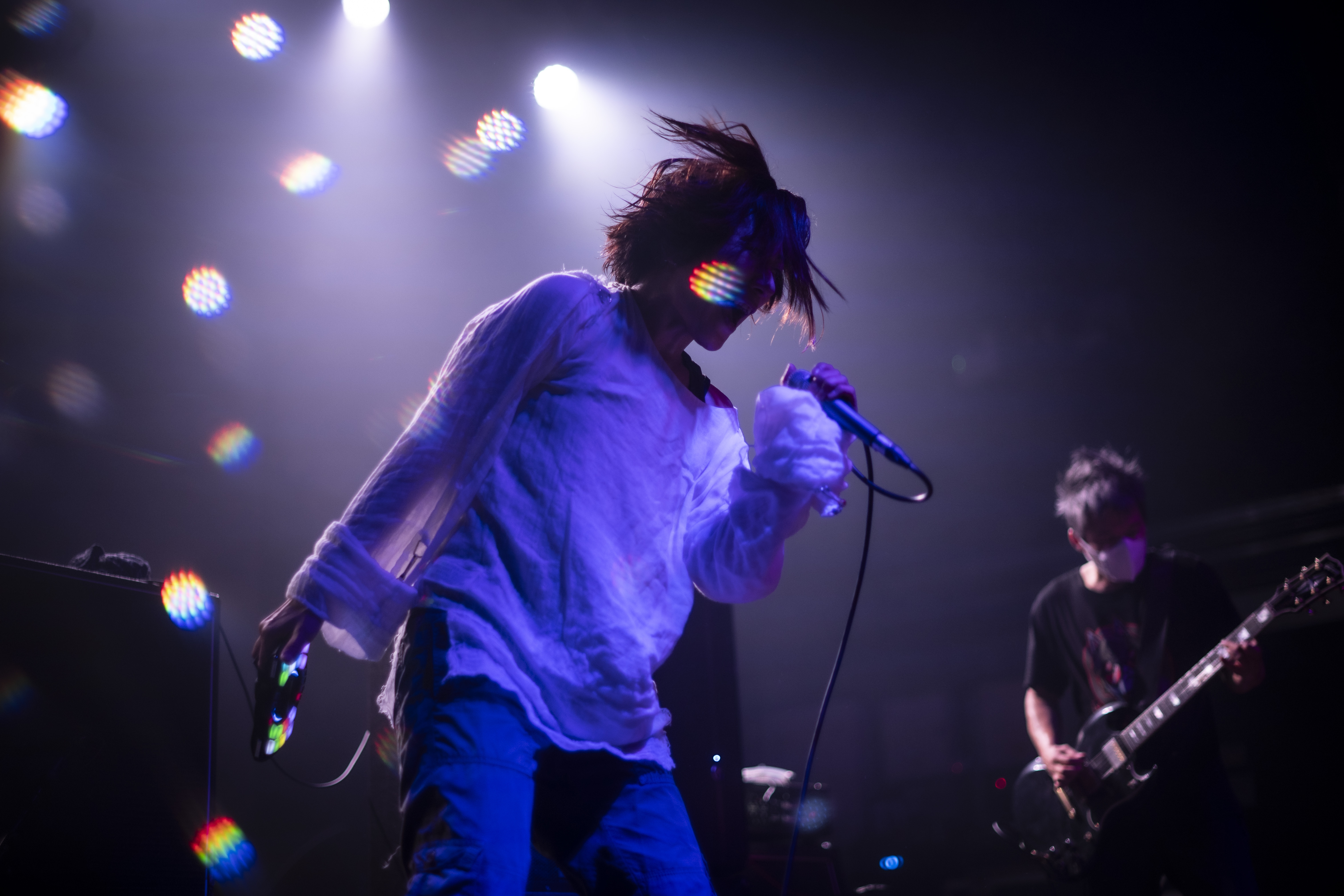
Photo Credit: Cat Dineley






 Get In Her Ears